 AsclepiosAnalog space mission
Asclepios V
After four successful missions, Asclepios launched its fifth mission. Nine analog astronauts from around the world have been selected to become the Iris crew and spent up to sixteen days in isolation in the Sasso San Gottardo fortress. The mission brought exciting new features, including crew rotations and a rocket room to simulate the journey to the Moon!
Asclepios V Mission Report
The Iris Crew
NINE ANALOG ASTRONAUTSThe Asclepios V-crew is composed of nine analog astronauts. The crew performed an analogue space mission in all its components: training and through preparation; maintain and perform repairs of the base; conduct scientific experiments and communicate with the ground team of the MCC as would a regular astronaut crew. The astronauts have been drafted from students all around the globe whose level of study ranges from bachelor to PhD.
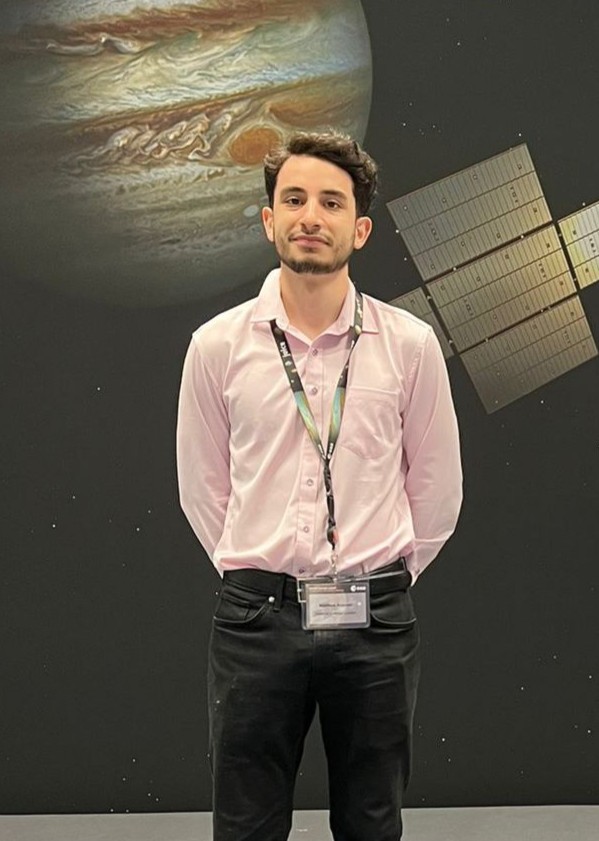
PhD Researcher in Space Plasma Physics, Imperial College London
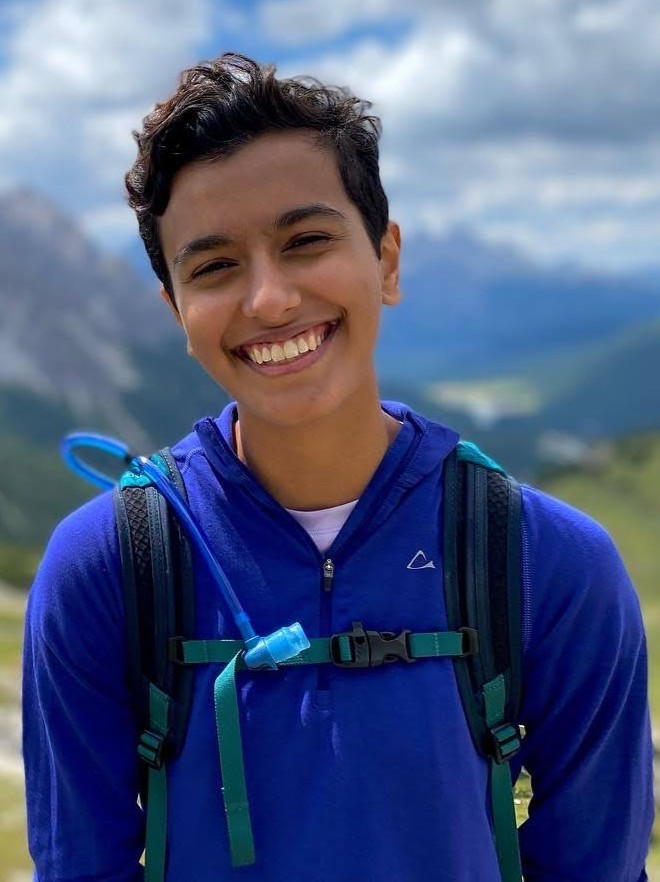
Mechanical Engineering, Purdue University
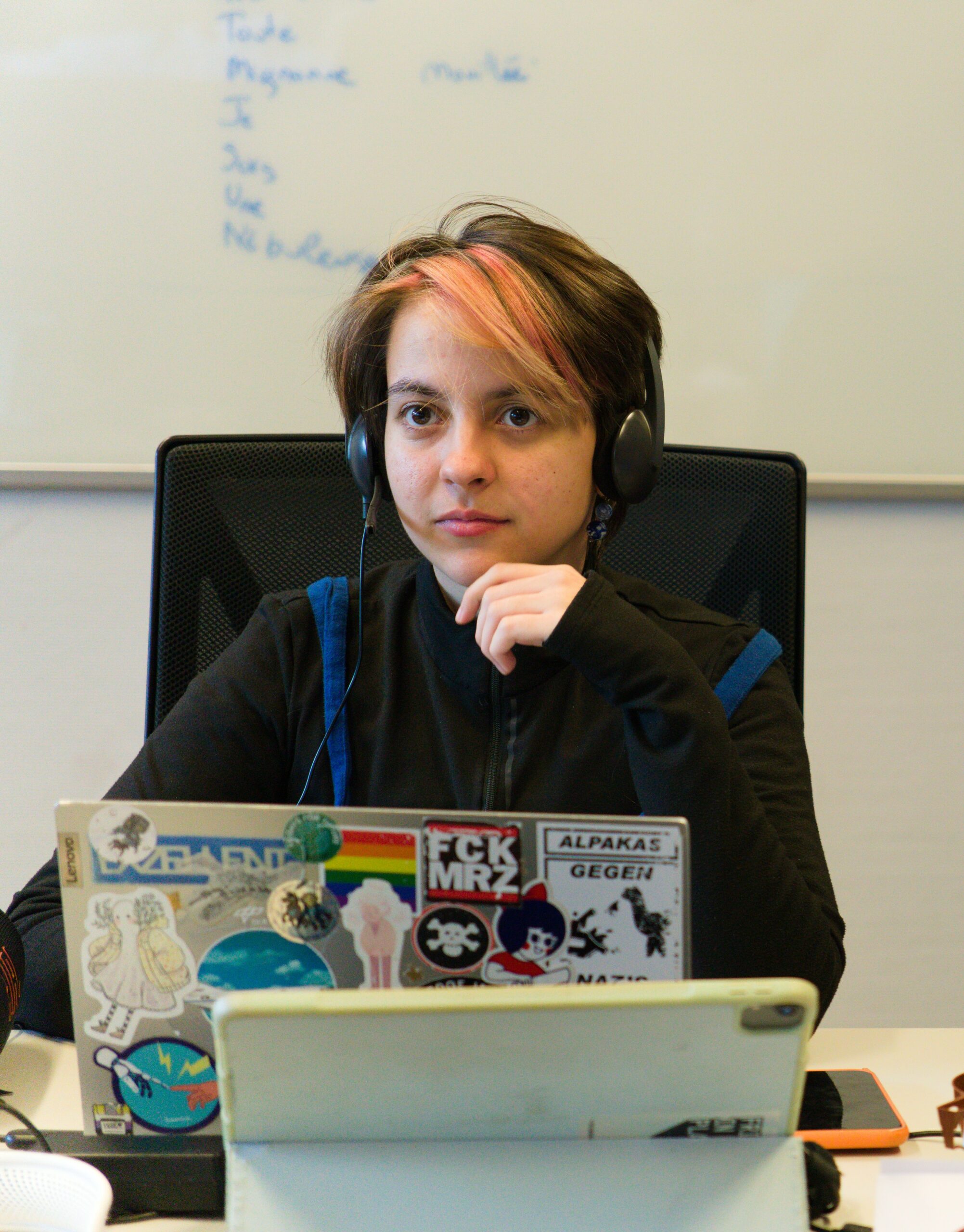
Aerospace Engineering, Technical University of Munich (TUM)
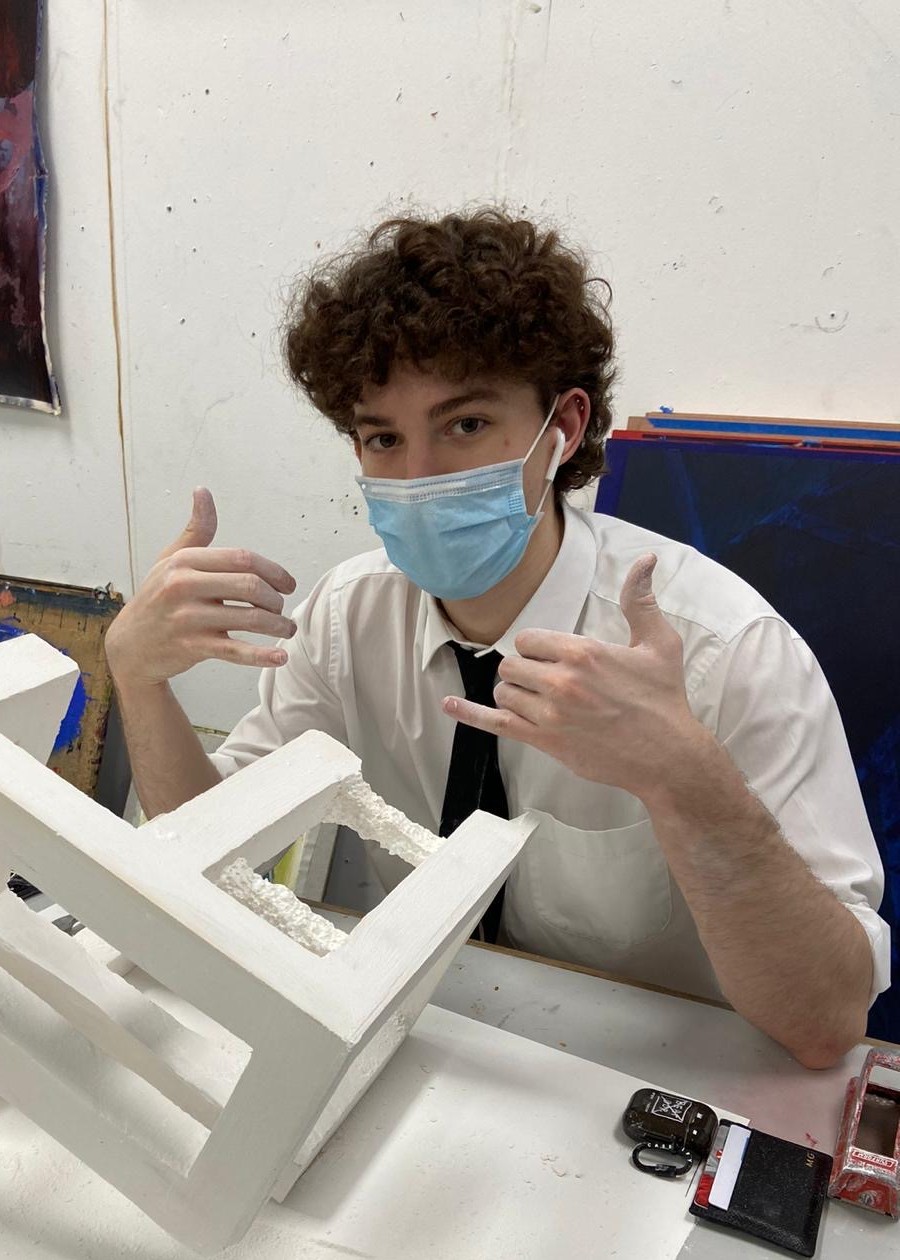
Medicine, The University of Cambridge
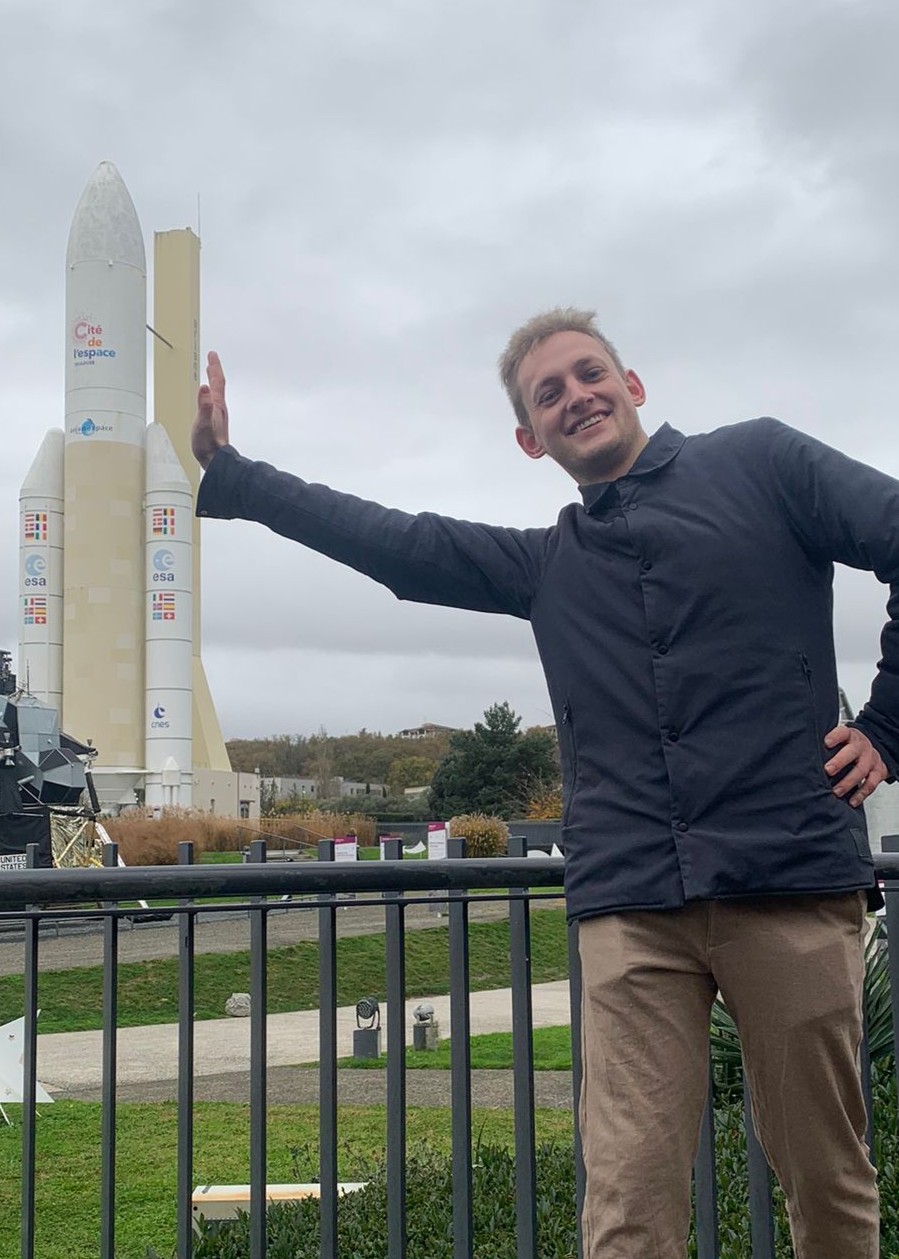
Space System Engineering, Technical University of Denmark
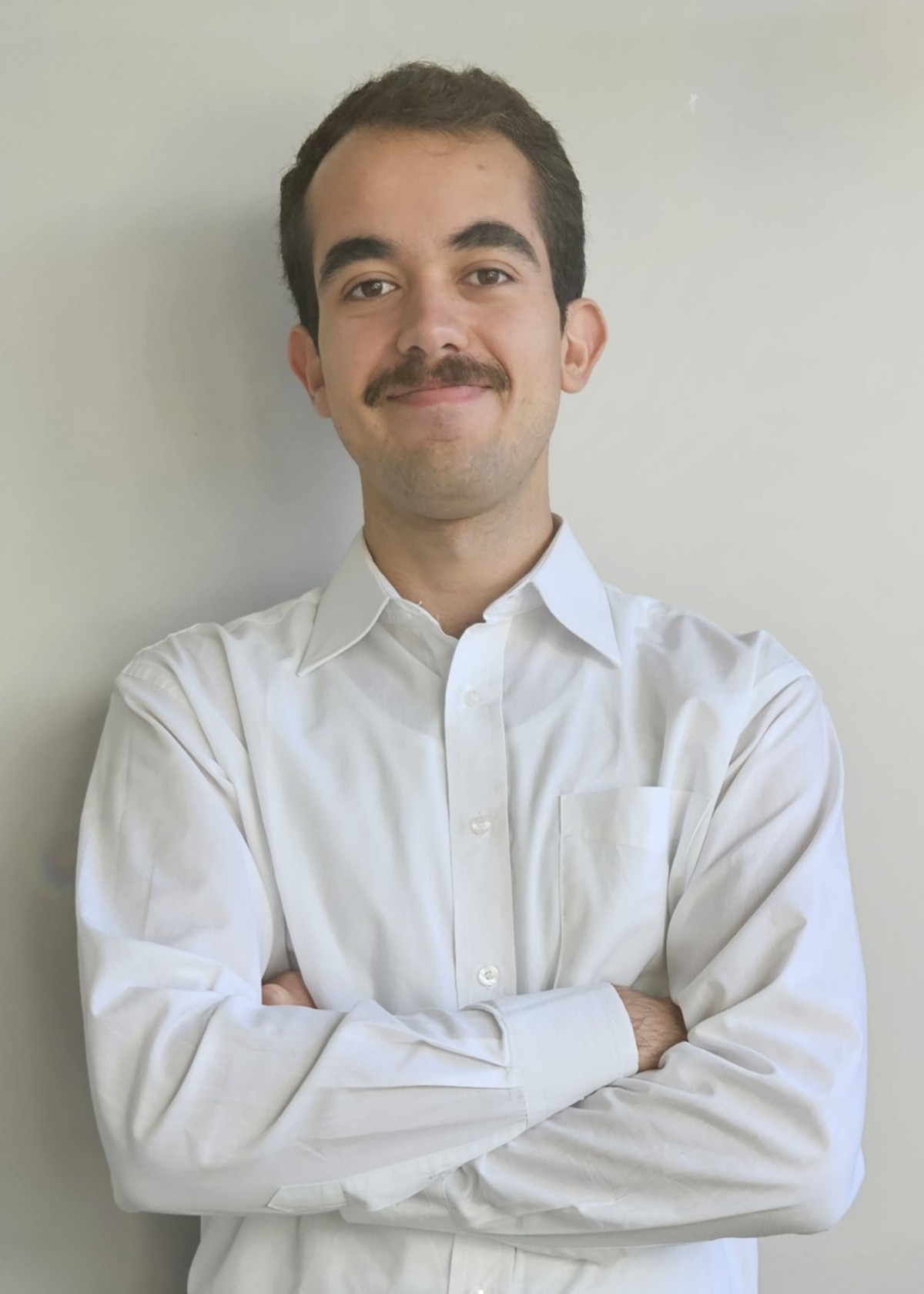
Aerospace Engineering, ISAE-SUPAERO
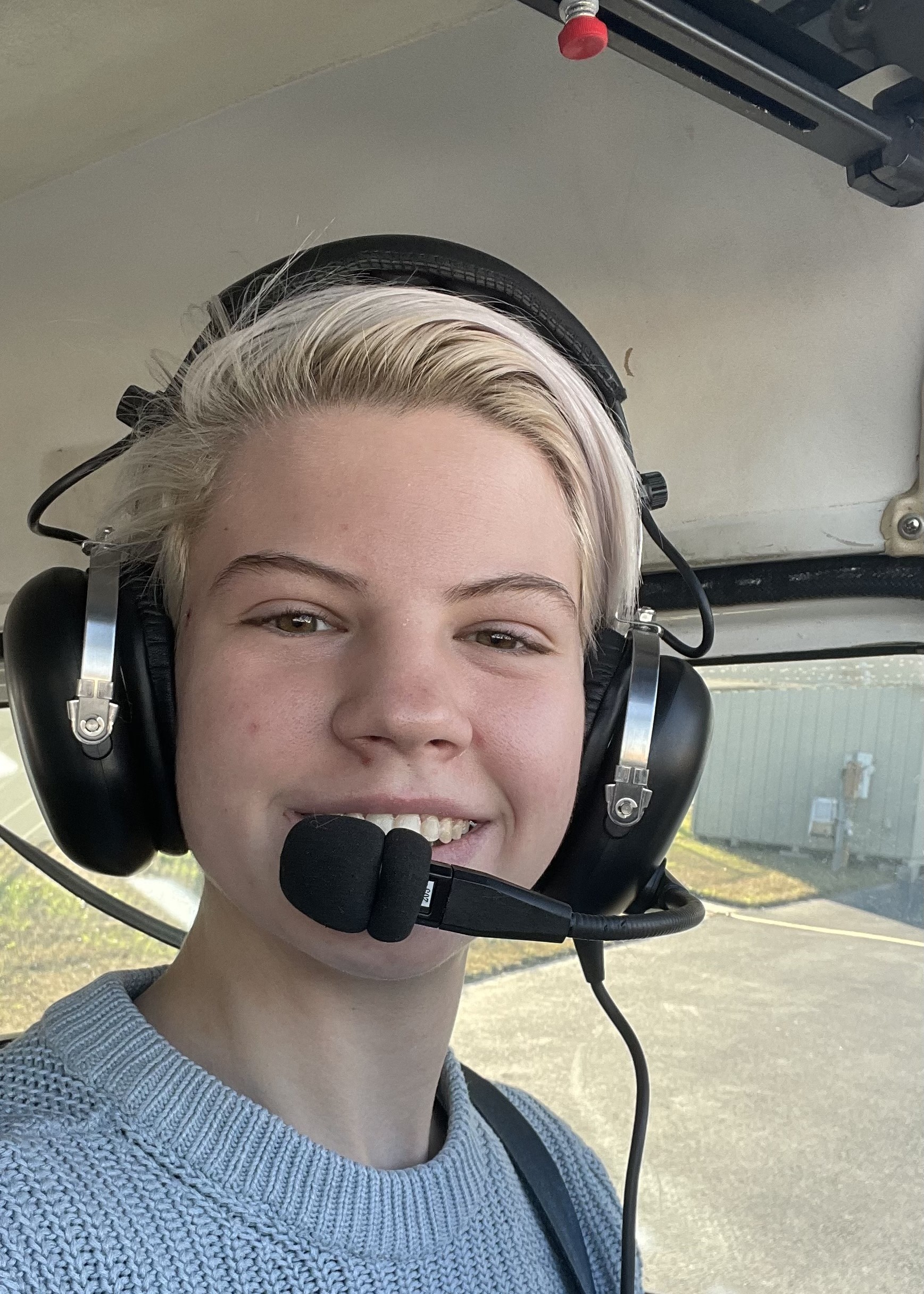
PhD in Aerospace Engineering, Georgia Institute of Technology
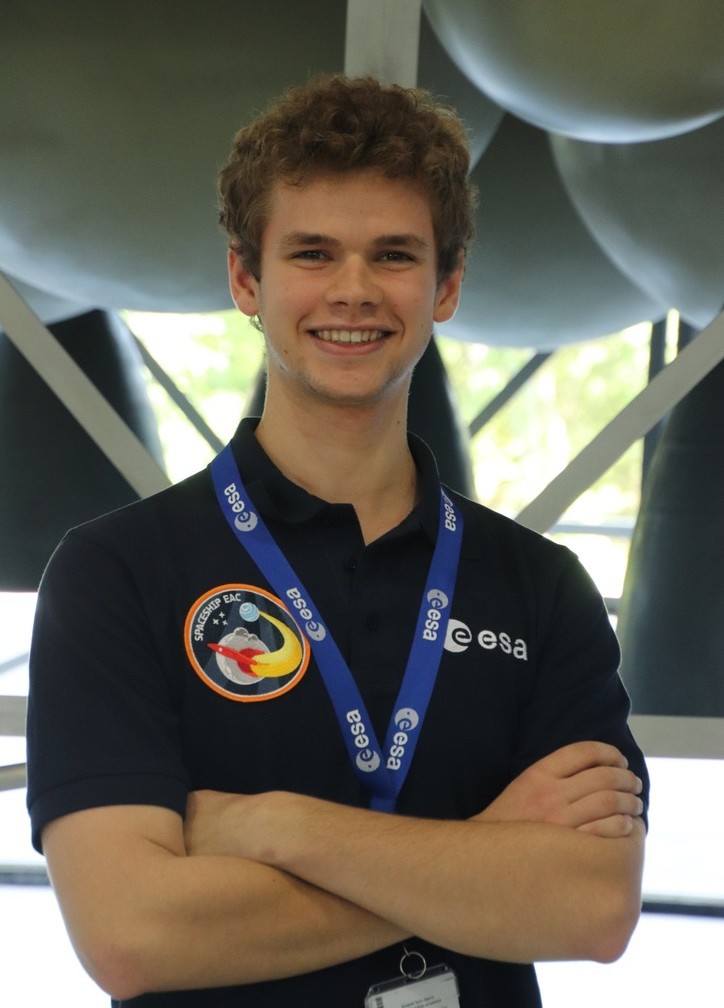
PhD in Aerospace Palaeomimicry, University of Manchester
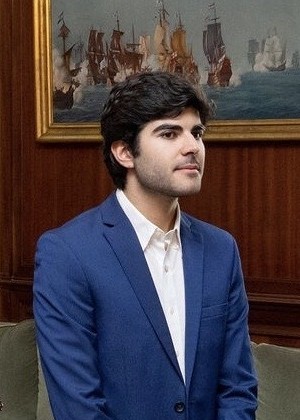
Aerospace Engineering, ISAE-SUPAERO
Scientific experiments
01 — 12
This experiment tests the BuddySpace platform, aimed at evaluating the effectiveness of a virtual psychological buddy – represented by a conversational avatar – in providing emotional support to subjects under conditions of prolonged isolation, similar to those of a space mission. The buddy is customised on the basis of psychometric data, individual profiles and interacts daily with each participant to promote well-being and emotional regulation.

The experiment evaluates how different substrates—specifically agar mixed with lunar regolith simulants—behave under microgravity. The goal is to determine the suitability of these materials for growing microgreens in space environments.

Circadian disruption can impact sleep, mood, and cognition. This project investigates the effects of simulated lunar isolation on circadian gene expression, melatonin production, and behavioral patterns. As part of this study, crew members will collect biological samples (saliva and oral mucosa) at specific time points before, during, and after the mission. Proper handling and documentation of these materials are critical to guarantee data quality, sample integrity, and compliance with Good Clinical Practice (GCP) guidelines.
The project explores the use of regolith-based soil filters to remove airborne toxins. It compares treated soils with raw lunar simulants to assess their potential for maintaining breathable air in closed habitats.

Using creative methods such as journaling and photography, this study delves into the transformation of identity that astronauts experience during space missions. It asks: how does one redefine the “self” when disconnected from Earth?
The CHIRON (Crew Health optImisation for emeRgencies in deep-space missiONs) project aims at developing an intelligent training system for astronauts and MCC(Mission Control Center) crews to develop autonomous medical emergency care for deep-space missions, more specifically lunar missions. This system supports and develops decision making, situation awareness and teamwork during medical crises. Through scenario-based testing and follow-up questions, researchers will assess medical decision-making and the effectiveness of current training models.

This qualitative research examines the emotional experiences of analog astronauts, focusing on the coping strategies they employ during long-duration missions in isolated, confined environments. The findings may inform future psychological support systems for space crews.
This engineering prototyping experiment aims at designing a haptic feedback enhanced glove for EVAs. The experiment’s research question is formulated as “Can Haptic gloves facilitate EVAs performed by astronauts in a Lunar environment?”.
This experiment explores whether current legal frameworks are prepared to handle the ethical and legal challenges of space exploration, including resource extraction and potential contact with extraterrestrial life. It tests the robustness and applicability of existing space law.
Combining psychology and mission safety, this project assesses team performance and cohesion under high-stress conditions. A simulated EVA emergency will be used to test the real-time psychological tool “Team Meter” for monitoring crew dynamics.
Focusing on human-robot interaction, this study investigates how different teleoperation interfaces (VR headset vs. traditional controls) affect stress and workload. It combines biometric data and self-reporting to assess the impact of interface design during isolation.
Algae could be essential in bio-regenerative life support systems due to their efficiency in oxygen production and nutrient content. This study examines how well microalgae grow under lunar base analog conditions, providing data for sustainable habitat design.
Our teams
Asclepios V structure
The project leaders are the chief executives for the mission. They mentour, coordinate and support all the Heads with their teams’ activities.

The astronauts team handles everything related to the astronaut crew of the Asclepios missions. They are responsible for every step of the recruitment and selection of the crew. Once the crew is recruited, its training (survival, science, communication protocols, teamwork) is their responsibility.

The Science team interfaces between Asclepios and our scientific collaborators. Each year, the Science team puts out a Call for Projects to solicit proposals from academia and industry for projects to test in the Asclepios mission. Science team members collaborate with Principal Investigators throughout the year to implement their experiments in the mission. The Science team also plans and implements their own experiments.
The Communications Team shares our work at Asclepios with the rest of the world! This team is responsible for managing the Asclepios social media and website, as well as designing team merchandise and mission and team patches.
The Design Team manages the internal design of our analog lunar base. They work on the base layout, airlock design, spacesuit design and maintenance, and the launch simulation, along with other projects.
The Recruitment Team performs the recruitment of new officers for all the roles in the association, along with the selection of the astronaut crew, and intensive four-phases process with hundreds of applications. In parallel to recruitment, the team also handles internal HR activities, comprising of onboarding new members, investigating team satisfactions, and many others.

As an EPFL association, Asclepios Head Quarter is located in Lausanne, at EPFL. The team handles specific logistics, mainly related to in-person events, equipment storage and repairs, and coordinating with the university.

The finance team ensures that Asclepios meets our budgetary requirements in order to make the mission happen each year. This team is also responsible for sponsorship.

The Legal team is primarily responsible for reviewing contracts and MoUs with our partners and ensuring legal compliance as a nonprofit association in Switzerland.

The Mission Control Centre (MCC) team works throughout the year to train the mission control officers who will support the astronauts during their mission. They also develop the software and procedures that are used in the mission control.

The Medical Team works to ensure the health, well-being, and safety of Asclepios analog astronauts during trainings and the mission. They manage astronaut nutrition and physical preparation, as well as leading medical and psychological training for the crew. During the mission, Medical Officers from this team serve in the Mission Control Centre to monitor crew health.

The ethics team works with our science Principal Investigator partners to help them apply for ethical approval in Switzerland. They also work with the medical team to ensue that the astronauts’ health data is protected.
Asclepios V sponsors
Partners & supporters




























Our missions
Flight log · 2021—2026 Asclepios VI2026
  WBA Eurohab2025 Asclepios V2025
  Asclepios IV2024
  Asclepios III2023
  Asclepios II2022
  Asclepios I2021