 AsclepiosAnalog space mission
Asclepios IV
The analog mission Asclepios IV, launched in Summer 2024, was a lunar base simulation. The mission objective was lunar sorface exploration, gathering experiments ranging from robotics, life support systems and astronomy. The mission was a success, with the astronaut crew accomplishing various experiments, ranging from idroponics, rover operations, and psychological investigations.
Watch the documentary
The Selene Crew
The astronauts’ crew went through extensive training to master the successful execution of the selected projects and experiments. Upon successful completion of the trainings, six astronauts spent two weeks isolated inside a simulated lunar base, in Switzerland, and took part in extravehicular activities (EVAs).

Medicine MBBS at Imperial College London

MSc Mechanical Engineering at Georgia Tech
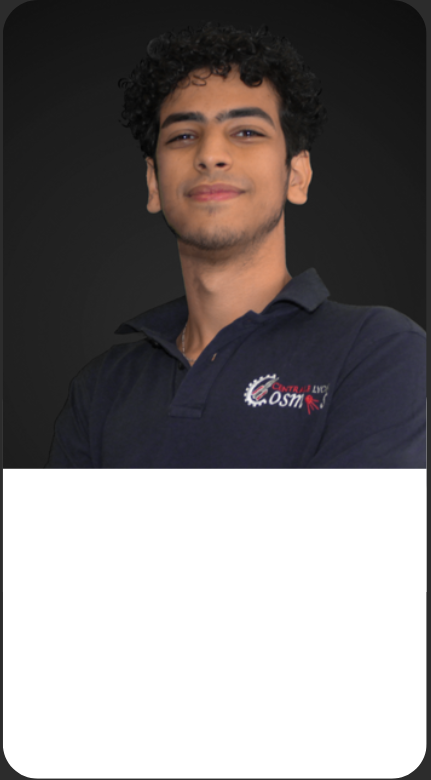
MSc in Avionics at TUM and Ecole Centrale de Lyon
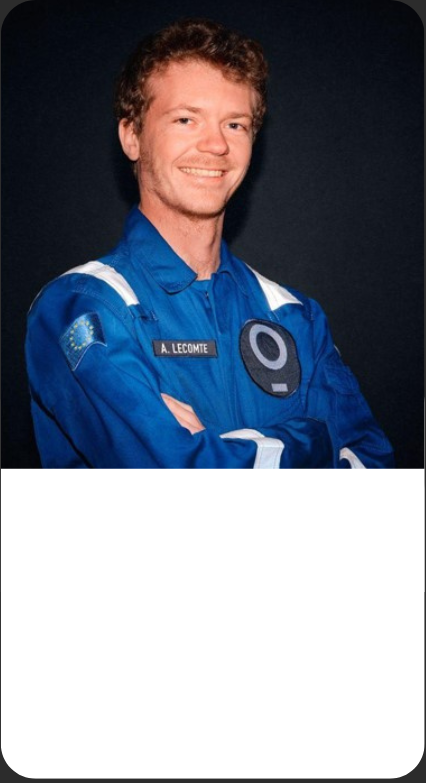
MSc Space System Engineering at ISAE-SUPAERO

MSc Space System Engineering at ISAE-SUPAERO

MSc in Aerospace Engineering at CentraleSupeléc
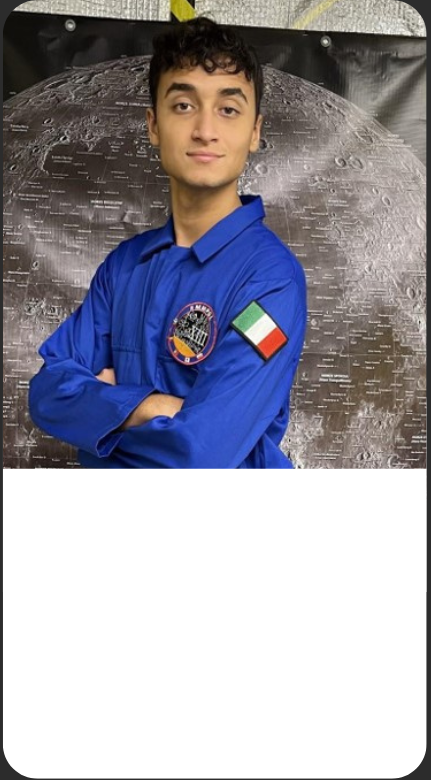
MSc Space Engineering at Politecnico di Milano

MSc Space Engineering at TU Delft

PhD in Medical Engineering at MIT and Harvard University
Scientific experiments
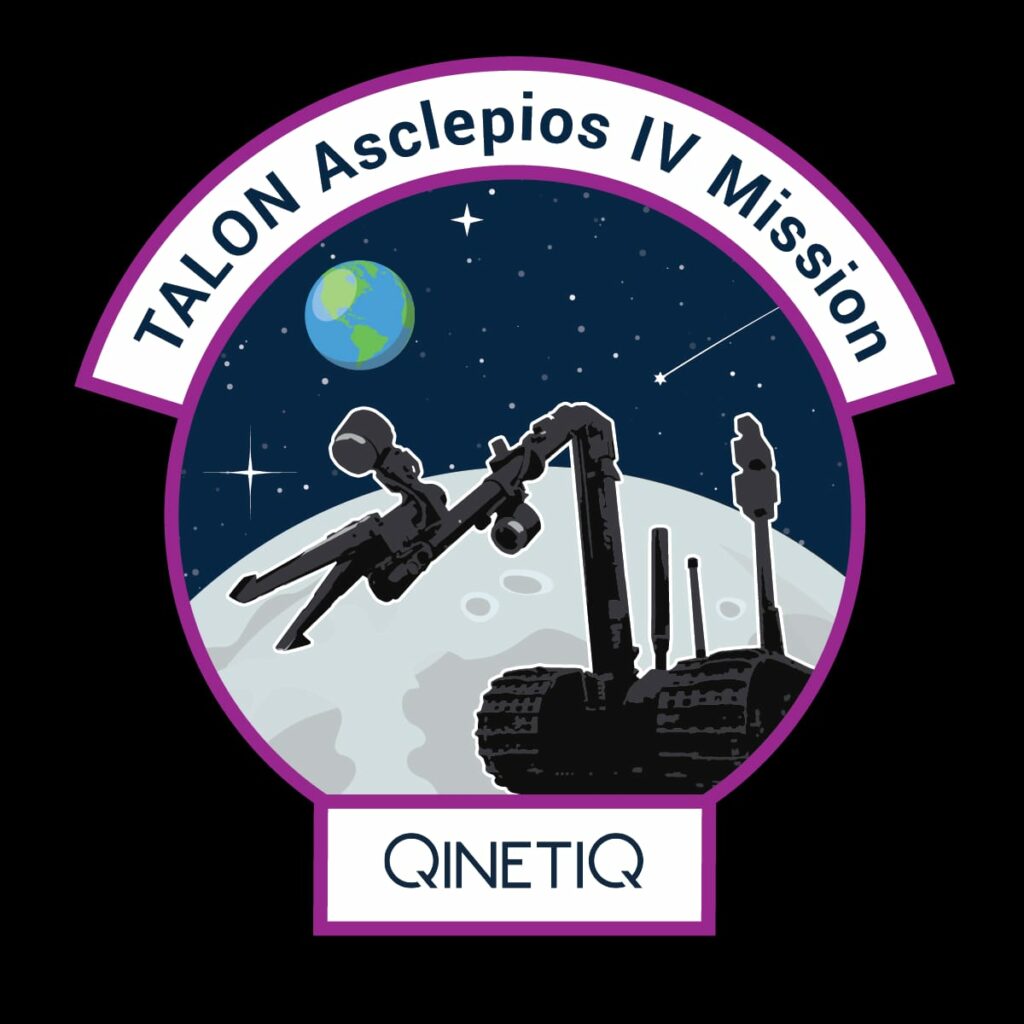
TALOS is a modification of the TALON® Multi-Mission Explosive Ordnance Disposal (EOD) Robot, which has been in continuous, active service since 2000. TALON® has a proven reputation for durability, flexibility, and performance in keeping military personnel, first responders, and civilians out of harm’s way. The experiment tests the TALON 6 capabilities for the Lunar environment, helping analog astronauts carry equipment on EVAs.

Focusing on human-robot interaction, this study investigates how different teleoperation interfaces (VR headset vs. traditional controls) affect stress and workload. It combines biometric data and self-reporting to assess the impact of interface design during isolation. Read the paper: “Human-Machine Interaction for Rover Teleoperation During Lunar Analogue”
Xylem water filtering has been used in India and Africa for decades, pressurizing water through specific tree branches, and using xylem canals as filters. This experiment tests a centrifugal filtration system prototype. The system is used to reclaim water from the base (showers, sweat, ambient humidity), assessing the filtration flow rate and quality.

The experiment investigates the effects of extreme drought on the photosynthesis efficiency of local spring wheat varieties for water-use efficiency in lunar agriculture. The project aims to understand the response of drought stress in the selected traditional spring wheat varieties grown on lunar regolith, by measuring photosynthesis efficiency and transcriptomic analysis.
The experiment will test how to perform sun observations in EVA context, using a modified telescope allowing mounting, manipulation, and dismounting with an EVA suit. Multiple expeditions are planned to set up and exploit the images, counting sunspot numbers and evolution to monitor solar activity. A set of criteria and recommendations for EVA-based astronomy observations is to be proposed, in terms of ergonomics, crew efficiency, and data quality.
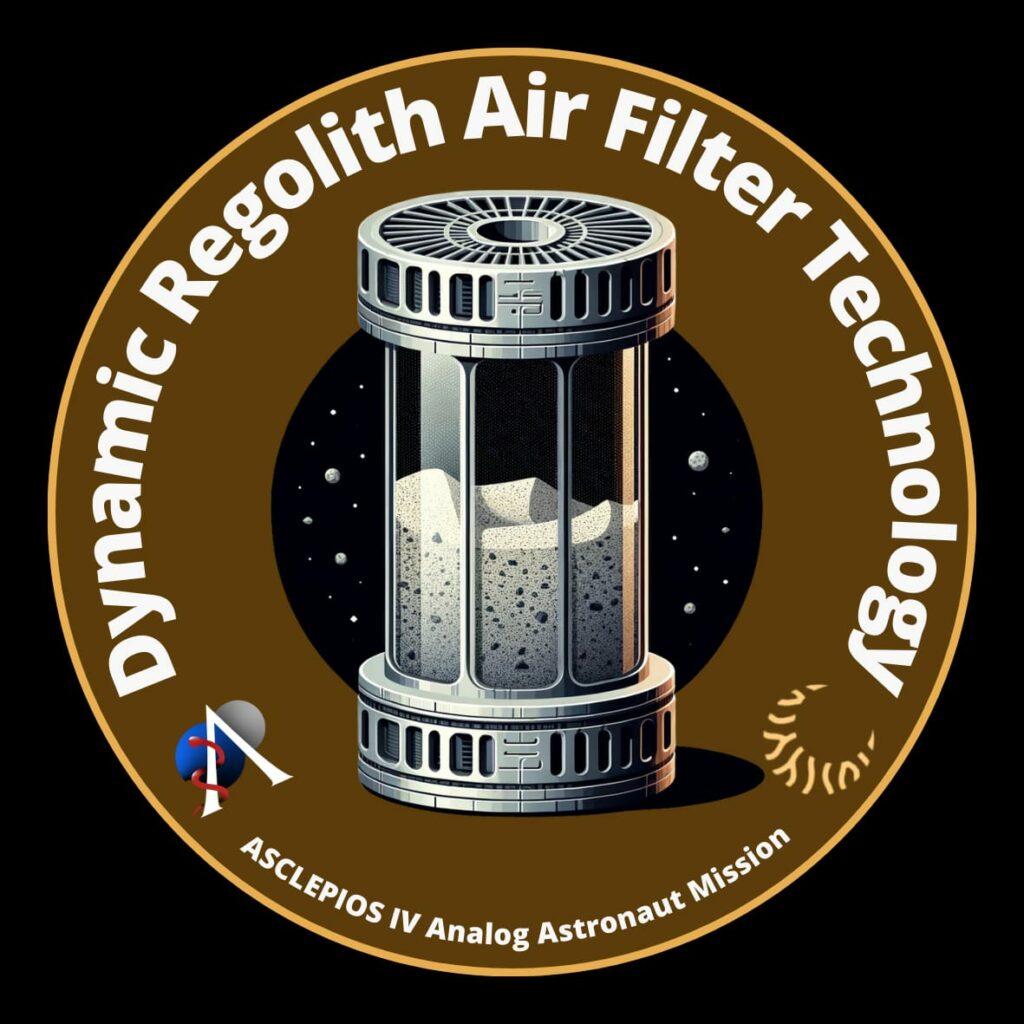
The project explores the use of regolith-based soil filters to remove airborne toxins. It compares treated soils with raw lunar simulants to assess their potential for maintaining breathable air in closed habitats.
Astronauts experience a wide variety of stressors in their environment, which can lead to problems in motivation, memory, and attention. EEG Neurofeedback is a non-invasive form of biofeedback that uses electrical potentials from an EEG to strengthen desired brain pathways, which could be used to lower the amount of stress astronauts are feeling. The experiment tests if EEG Neurofeedback is a viable treatment for stress on space missions.
The experiment investigates cognitive decline in analogue astronauts due to isolation, stress, fatigue, and other factors present in space missions. Neurotech is an EEG-based study from Mirai Innovation Research Instute, that will test astronaut’s cognitive performance during a space mission simulation.
Our teams
The project leaders are the chief executives for the mission. They mentour, coordinate and support all the Heads with their teams’ activities.

The astronauts team handles everything related to the astronaut crew of the Asclepios missions. They are responsible for every step of the recruitment and selection of the crew. Once the crew is recruited, its training (survival, science, communication protocols, teamwork) is their responsibility.
The Science team interfaces between Asclepios and our scientific collaborators. Each year, the Science team puts out a Call for Projects to solicit proposals from academia and industry for projects to test in the Asclepios mission. Science team members collaborate with Principal Investigators throughout the year to implement their experiments in the mission. The Science team also plans and implements their own experiments.
The Communications Team shares our work at Asclepios with the rest of the world! This team is responsible for managing the Asclepios social media and website, as well as designing team merchandise and mission and team patches.
The Design Team manages the internal design of our analog lunar base. They work on the base layout, airlock design, spacesuit design and maintenance, and the launch simulation, along with other projects.

The Mission Control Centre (MCC) team works throughout the year to train the mission control officers who will support the astronauts during their mission. They also develop the software and procedures that are used in the mission control.

The Medical Team works to ensure the health, well-being, and safety of Asclepios analog astronauts during trainings and the mission. They manage astronaut nutrition and physical preparation, as well as leading medical and psychological training for the crew. During the mission, Medical Officers from this team serve in the Mission Control Centre to monitor crew health.
Asclepios IV sponsors











Our missions
 Asclepios VI2026
 WBA Eurohab2025
 Asclepios V2025
Asclepios IV2024
Asclepios V2025
Asclepios IV2024
 Asclepios III2023
 Asclepios II2022
 Asclepios I2021