 AsclepiosAnalog space mission
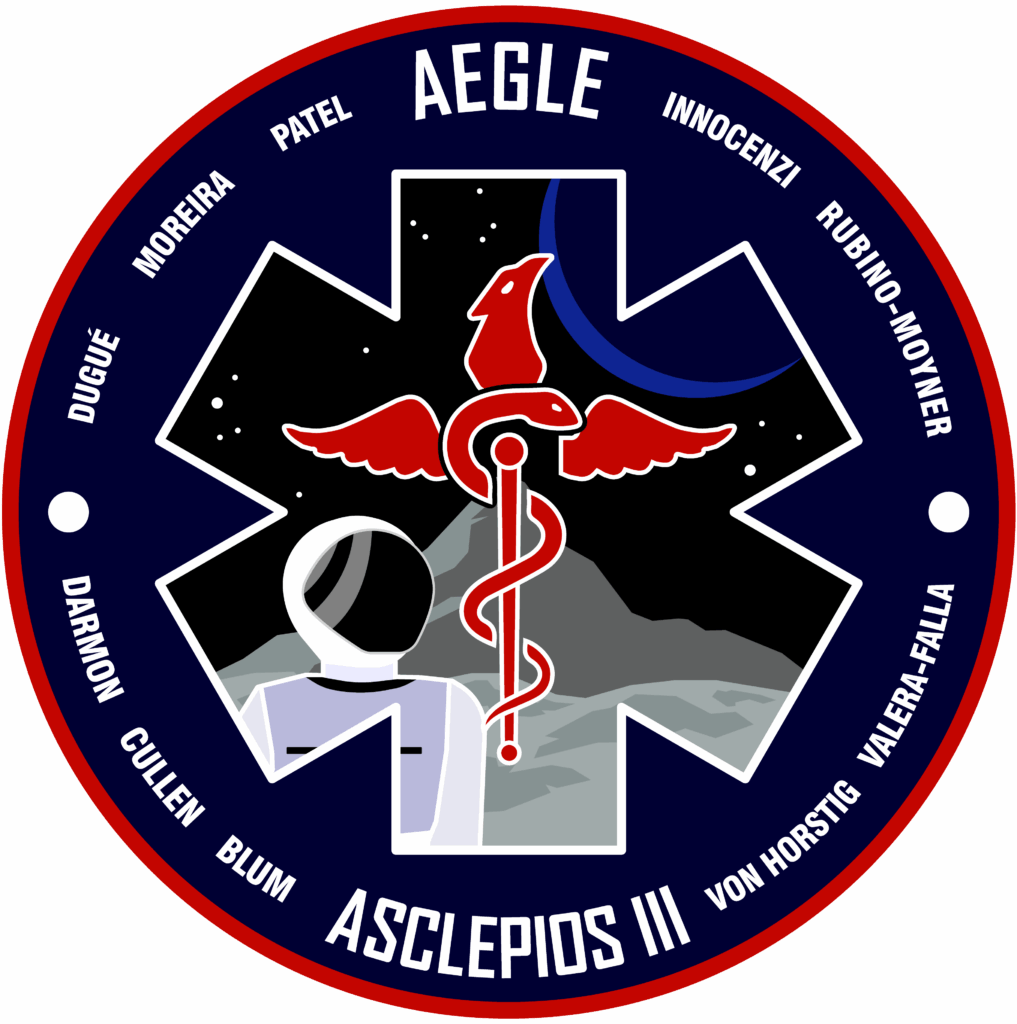
Asclepios III
Asclepios III, our third analogue mission, was set in a Lunar South Pole environment. A crew of international analogue astronauts were placed in isolation and carried out experiments and EVAs to explore the challenges of space medicine. The mission itself took place at Sasso San Gottardo, Switzerland.

The Eagle Crew
This Asclepios III-crew was composed of the ten analog astronauts. The crew performed an analogue space mission in all its components: training and thorough preparation; maintain and perform repairs of their base if needed; conduct scientific experiments and communicate with the ground team of the MCC as would a regular astronaut crew. The astronauts have been drafted from students all around the globe whose level of study ranges from bachelor to PhD.
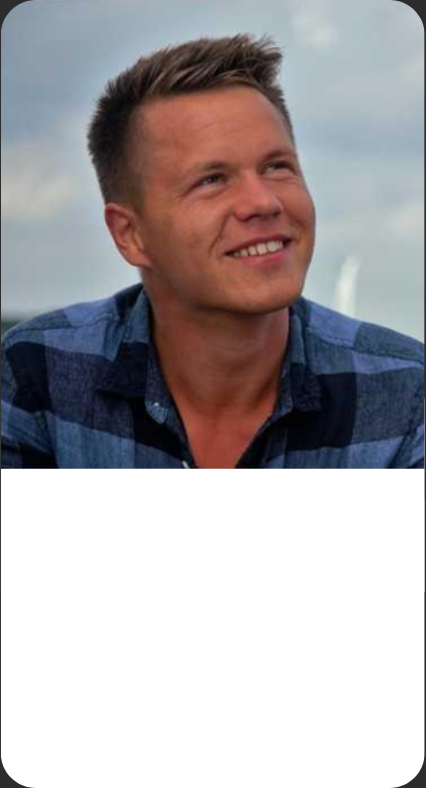
PhD in battery process engineering
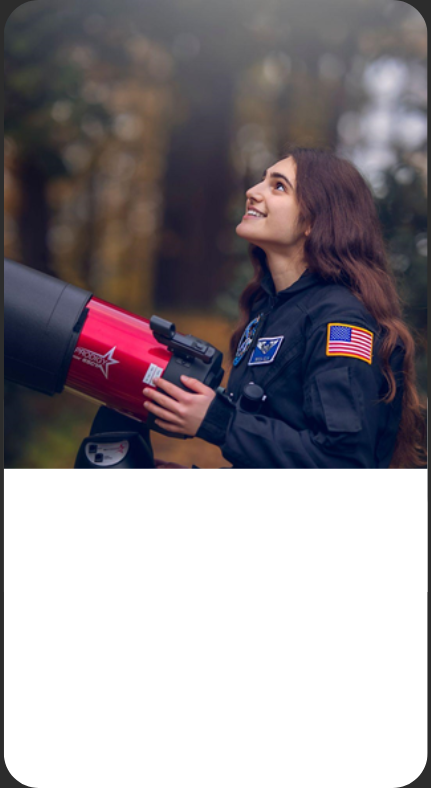
BCs in Cellular and Molecular Biology at Brown University
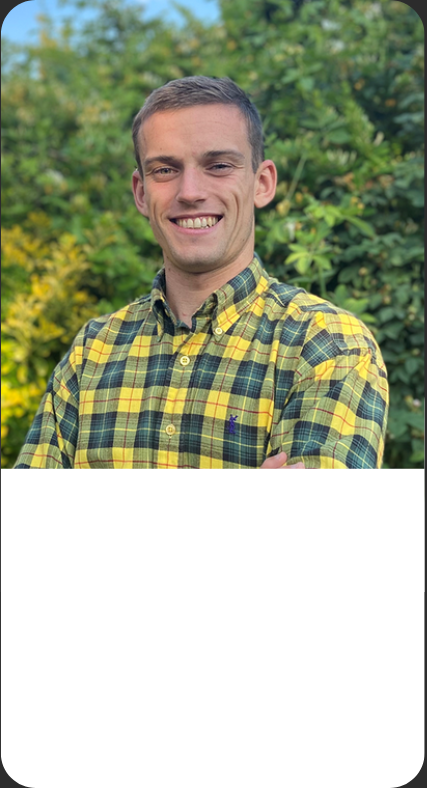
PhD in AI for Environmental Risks at University of Cambridge
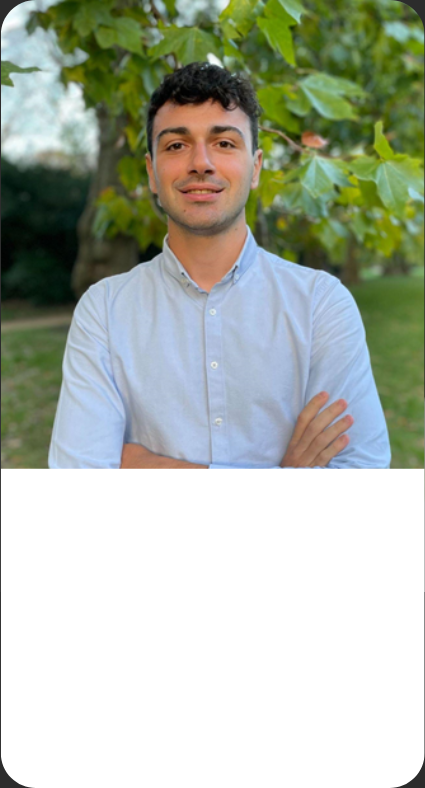
PhD in High Speed Aerodynamics at Imperial College London
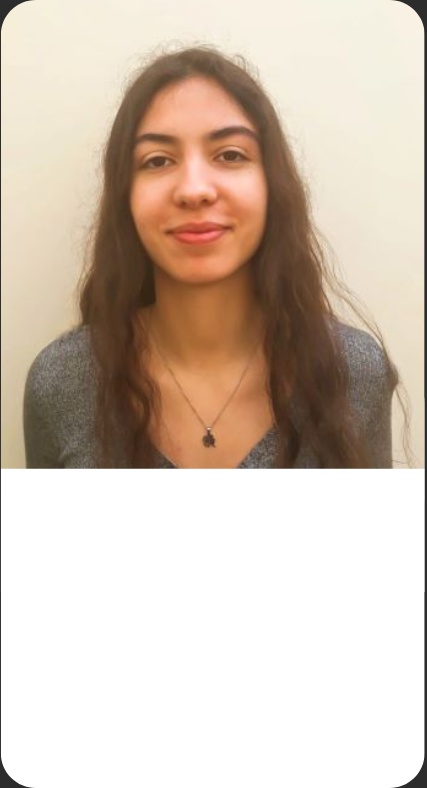
5th year Medical Student at ICBAS – University of Porto
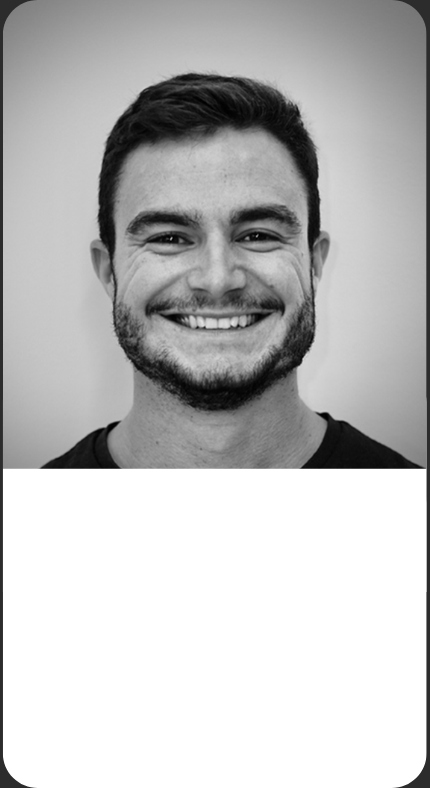
BCs in Mechanical Engineering at EPFL

joint-MSc in Applied Geophysics, TU Delft and ETH Zurich
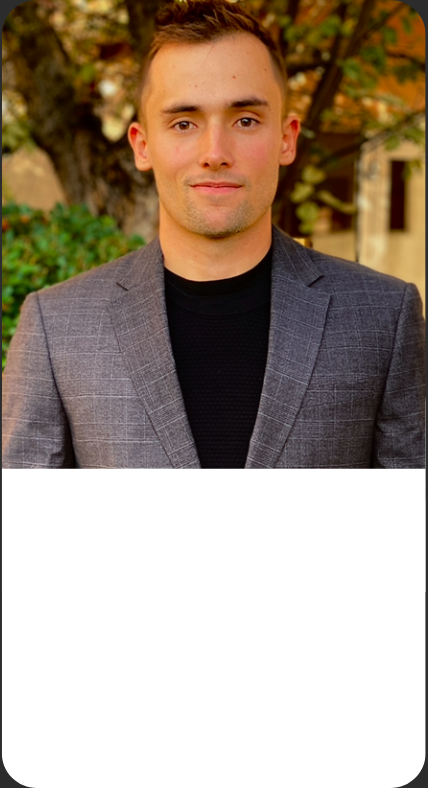
Master SpacE Exploration and Development Systems (SEEDS)
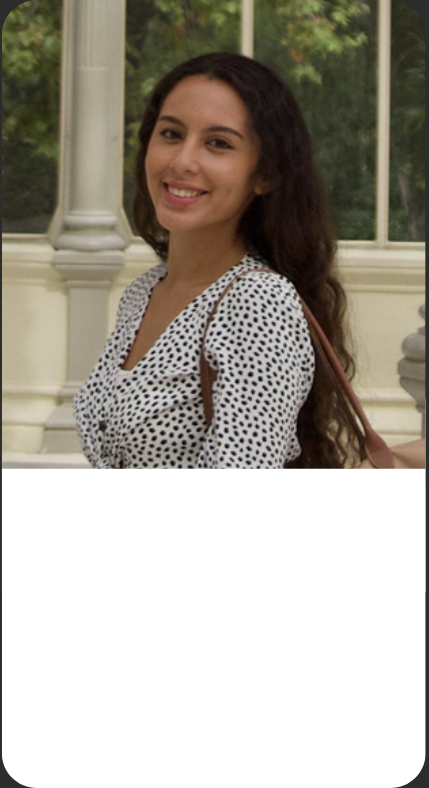
Integrated Master student in Aerospace Engineering at University of Nottingham
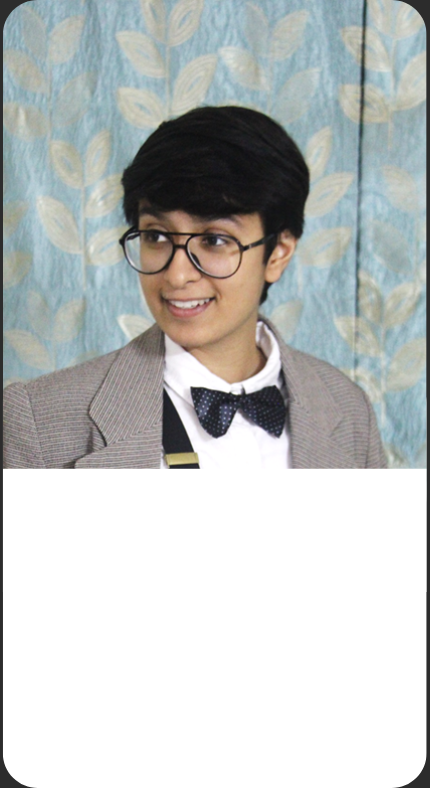
PhD in Mechanical Engineering at MIT
Scientific experiments

France’s national radiology society (Société Française de Radiologie, SFR), French Space Agency (CNES), and French Space Medicine and Physiology Institute (MDES) are currently designing an emergency toolkit for interventional radiology procedures. Each astronaut will perform a medical intervention on a phantom using ultrasound guidance according to the techniques of interventional radiology. This technique is then applicable to a large number of other pathologies as an alternative to surgical techniques that are impossible to perform in space flight conditions.

DIVINAS aims to study the best way to communicate with deaf astronauts by investigating the effectiveness of different forms of instructions (sign language, written text, graphics) in completing a critical task. The study measures cognitive workload, situation awareness, and physiological data through performance-based measures, surveys, and an experiment with people who have hearing loss for comparison.

The project aims to investigate the impact of living in isolated and confined environments on analog astronauts. It will be evaluated both individually and as a group through a combination of psychological, cognitive, physiological, and management measures. It is expected to map social interactions, identify key positions and their evolution over time. These results could be used to help the selection, training, and support of future astronauts, and to better understand the coordination mechanisms of teams operating in extreme conditions.

This project aims at studying how motivation and performance evolves during the mission by evaluating three reward-processing subcomponents. The data to be collected will involve depression, anxiety and sleep quality in combination with tests such as Cambridge Gambling Task, Monetary Incentive Delay Task, Iowa Gambling Task for example.
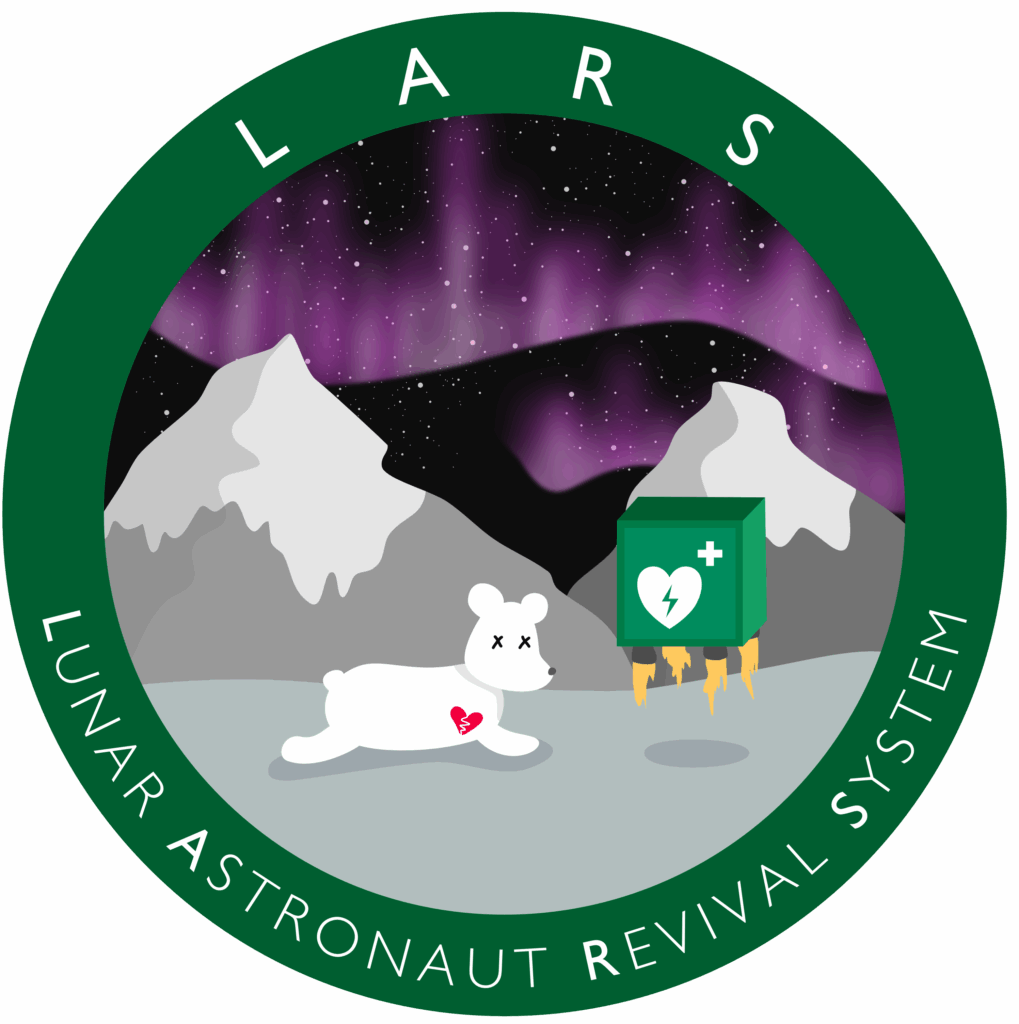
LARS illustrates the methodology of testing a newly developed CPR Robotic device during an EVA on a mannequin. This process will be recorded by the crew and compared with the old method of carrying the mannequin back to the base and perform CPR.
This project seeks to investigate the ways in which it will be possible to outline an autonomous decision-making model in the context of human settlements in space, while measuring the impact of permanence in a challenging environment on the perception of the concept of justice and on the ability to make decisions consistent with a legal-social model.
This project investigates two systems for producing therapeutic proteins: 1) cell-free (University of Nottingham), 2) cell-based (NASA AMES) using Bacillus subtilis. The main objectives are to quantify and compare protein production, demonstrate the technology of the cube system and investigate the challenges of automated vs manual drug production.
The project aims to gather data on brain function and operational performance to provide insight into the effects of isolation and stress on crew. The astronauts will play a toy analog mission game where a fixed number of decisions needs to be made during a mission.
Our teams
The project leaders are the chief executives for the mission. They mentour, coordinate and support all the Heads with their teams’ activities.

The astronauts team handles everything related to the astronaut crew of the Asclepios missions. They are responsible for every step of the recruitment and selection of the crew. Once the crew is recruited, its training (survival, science, communication protocols, teamwork) is their responsibility.

The Science team interfaces between Asclepios and our scientific collaborators. Each year, the Science team puts out a Call for Projects to solicit proposals from academia and industry for projects to test in the Asclepios mission. Science team members collaborate with Principal Investigators throughout the year to implement their experiments in the mission. The Science team also plans and implements their own experiments.
The Communications Team shares our work at Asclepios with the rest of the world! This team is responsible for managing the Asclepios social media and website, as well as designing team merchandise and mission and team patches.
The Design Team manages the internal design of our analog lunar base. They work on the base layout, airlock design, spacesuit design and maintenance, and the launch simulation, along with other projects.

The Management Team overlooks everything that ensures smooth functioning of the association, including finance, logistics, and legal departments. They work on the mission budget, partners’ agreements and general logistics for the mission.
Asclepios III sponsors



















Our missions
 Asclepios VI2026
 WBA Eurohab2025
 Asclepios V2025
 Asclepios IV2024
Asclepios III2023
Asclepios IV2024
Asclepios III2023
 Asclepios II2022
 Asclepios I2021