 AsclepiosAnalog space mission
Asclepios II
Asclepios II, our second analogue mission, was set in a Lunar South Pole environment. A crew of international analogue astronauts were placed in isolation in the swiss alps and carried out experiments and EVAs focused on robotics, microbiology, and astronaut’s physical and mental health. The mission itself took place at Sasso San Gottardo, Switzerland.
Watch the documentary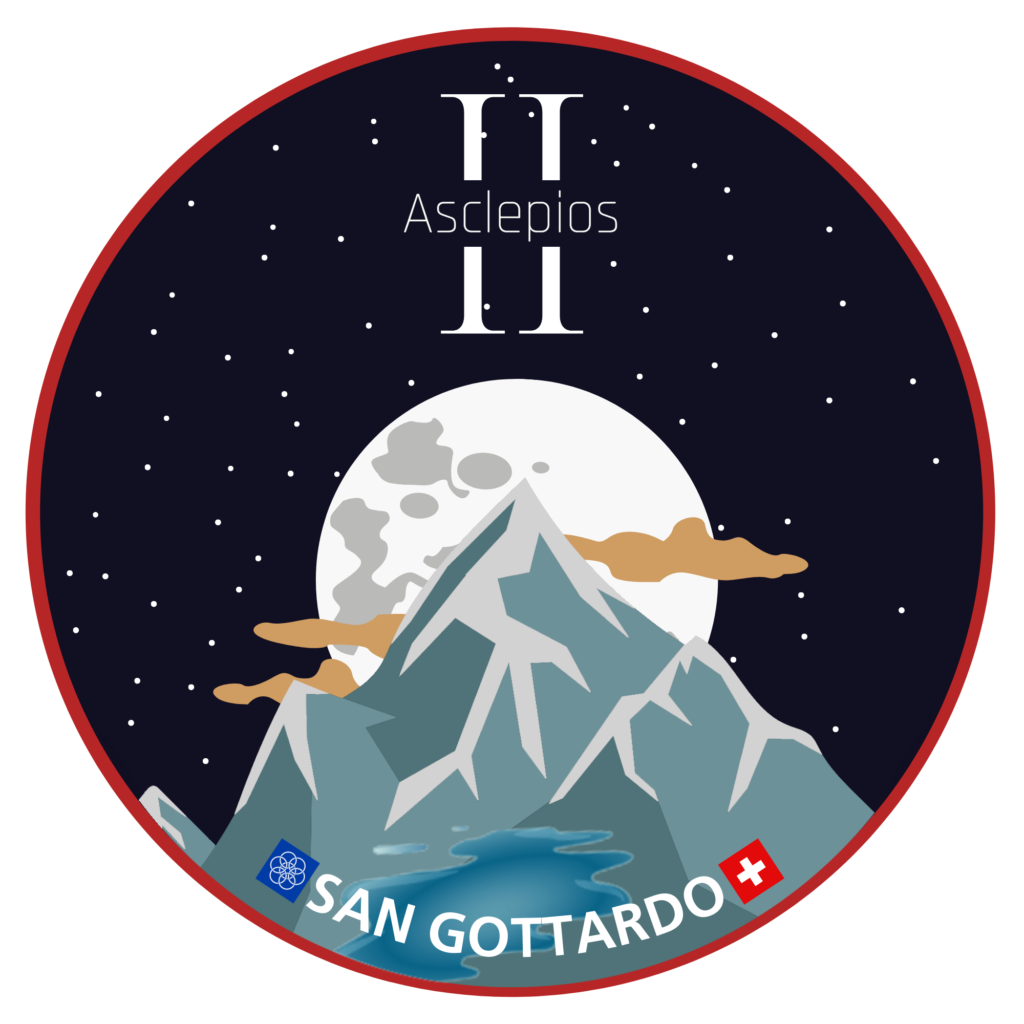
The Atlas Crew
This Asclepios II crew was composed of nine analog astronauts. The crew performed an analogue space mission in all its components: training and thorough preparation; maintain and perform repairs of their base if needed; conduct scientific experiments and communicate with the ground team of the MCC as would a regular astronaut crew. The astronauts have been drafted from students all around the globe whose level of study ranges from bachelor to PhD.


MSc in Aerospace Engineering at ISAE-SUPAERO

BSc in Aerospace Engineering at University of Texas, Austin

BSc in Mechanical Engineering at EPFL
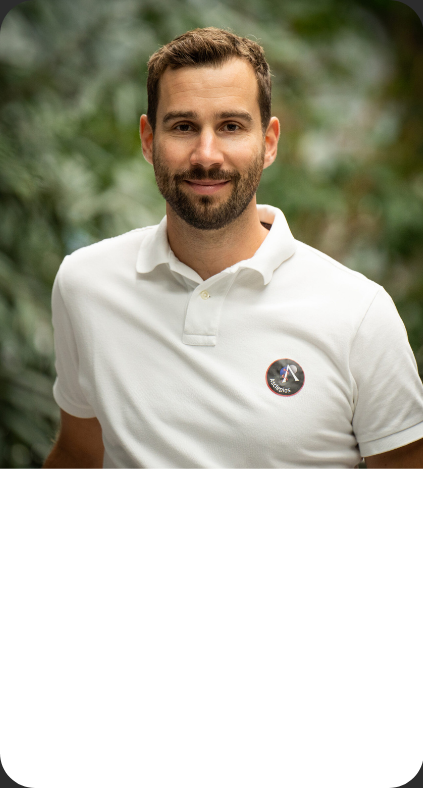
PhD in atmospheric chemistry for Alpine and Polar regions
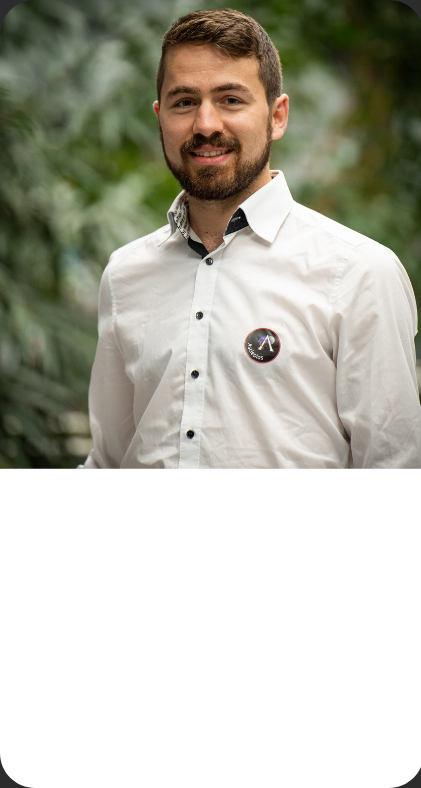
PhD in Physics and Materials Sciences at University of Cambridge

BSc Aerospace Engineering at the University of Concepcion Chile
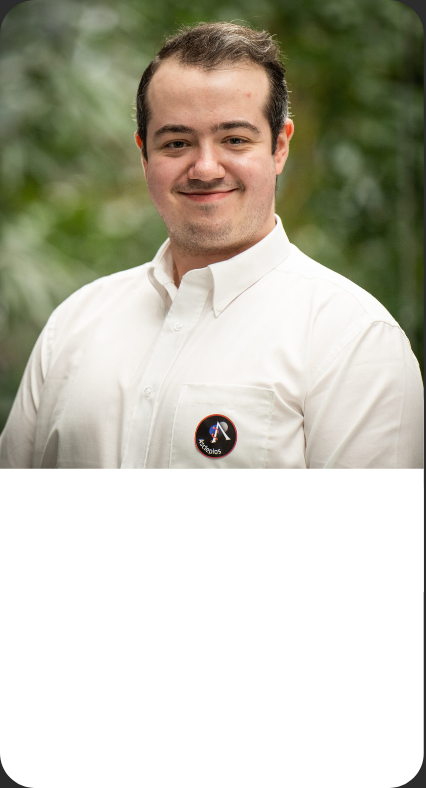
MSc in Astronautics and Space Engineering, Cranfield University

PhD in Aerospace Engineering, Cranfield University
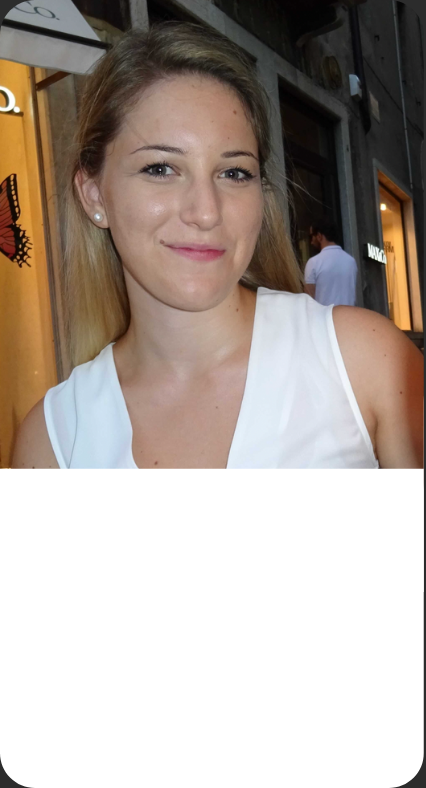
PhD in Materials Science and Metallurgy, University of Cambridge
Scientific experiments

The experiment tests collection of lunar dust during mining operations, to extract minerals, reducing waste of solid water mixed with regolith and the collection of Lunar Regolith as a by-product of the excavation process.

The project goal is to contribute to closing the gender gap in human spaceflight and exploration through experiments that can be implemented in current and future analogue missions. The experiment specifically focuses on measuring physical and mental fatigue after each EVAs.

The experiment investigates crop cultivation by analyzing the regolith soil. Moist level, acidity, use of fertilisers and room temperature are all tracked in detail, to gather data on plant growth and edible mass.

The experiment investigates innovative ways to determine the period of the soil by using emission spectra. Specifically, the project aims at evaluating the accuracy obtained using the spectral coefficient H / V.
The project aims at developing a folding pattern for a solar reflector to be used inside a standard 1U CubeSat volume and test its possible deployment on analogue missions.

The experiment investigates the feasibility of a portable functional near-infrared spectroscopy (fNIRS) device as an imaging method for brain oxygenation alterations caused by increased workload activity in an isolated/confined environment. The secondary goal is to evaluate the effect of a confined environment on prefrontal cortex (PFC) resource demand using a portable fNIRS device during a high resource demanding task.

The experiment investigates the experiences and needs of medication management in a space analogue, with the goal of transfer these learnings to space exploration.

The experiment focuses on astronauts’ nutrition and factors that affect their nutritional choices and appetite. Its aim is to find nutritional countermeasures for major problems and complications that astronauts face during the mission, such as bone and muscle mass loss.

The project evaluates how the process of making coordinations and interactions is changed in a confined environment. Its goal is to help prepare future space missions by providing data for astronaut training and group management in similar situations.
The project aims to build a mountable tower to carry out atmospheric measurements. It is designed to be built on extreme environments and easy to assemble. The project also comprises of a power box to power the measurement instruments that are placed on the tower.

The experiment tests a casing specifically designed to protect equipment from extreme environment conditions. The equipment is encased in autoregulating temperature box. It can be used during EVAs, ensuring operability.

The experiment’s goal is to understand the level of indoor air quality and thermal comfort in a simulated spacecraft cabin occupied by human subjects. It proposes an optimal ventilation strategy with regard to well-being and safety of crew members.

The project aims to create a method of design and selection for the scientific projects eligible for future Asclepios missions. It delivers a handbook with the method, to be used in future missions.
Our teams
The project leader is the chief executive for the mission. They mentour, coordinate and support all the Heads with their teams’ activities.

The astronauts team handles everything related to the astronaut crew of the Asclepios missions. They are responsible for every step of the recruitment and selection of the crew. Once the crew is recruited, its training (survival, science, communication protocols, teamwork) is their responsibility.

The Science team interfaces between Asclepios and our scientific collaborators. Each year, the Science team puts out a Call for Projects to solicit proposals from academia and industry for projects to test in the Asclepios mission. Science team members collaborate with Principal Investigators throughout the year to implement their experiments in the mission. The Science team also plans and implements their own experiments.

The Communications Team shares our work at Asclepios with the rest of the world! This team is responsible for managing the Asclepios social media and website, as well as designing team merchandise and mission and team patches.
The Design Team manages the internal design of our analog lunar base. They work on the base layout, airlock design, spacesuit design and maintenance, and the launch simulation, along with other projects.

The Management Team overlooks everything that ensures smooth functioning of the association, including finance, logistics, and legal departments. They work on the mission budget, partners’ agreements and general logistics for the mission.
Asclepios II sponsors

















Our missions
 Asclepios VI2026
 WBA Eurohab2025
 Asclepios V2025
 Asclepios IV2024
 Asclepios III2023
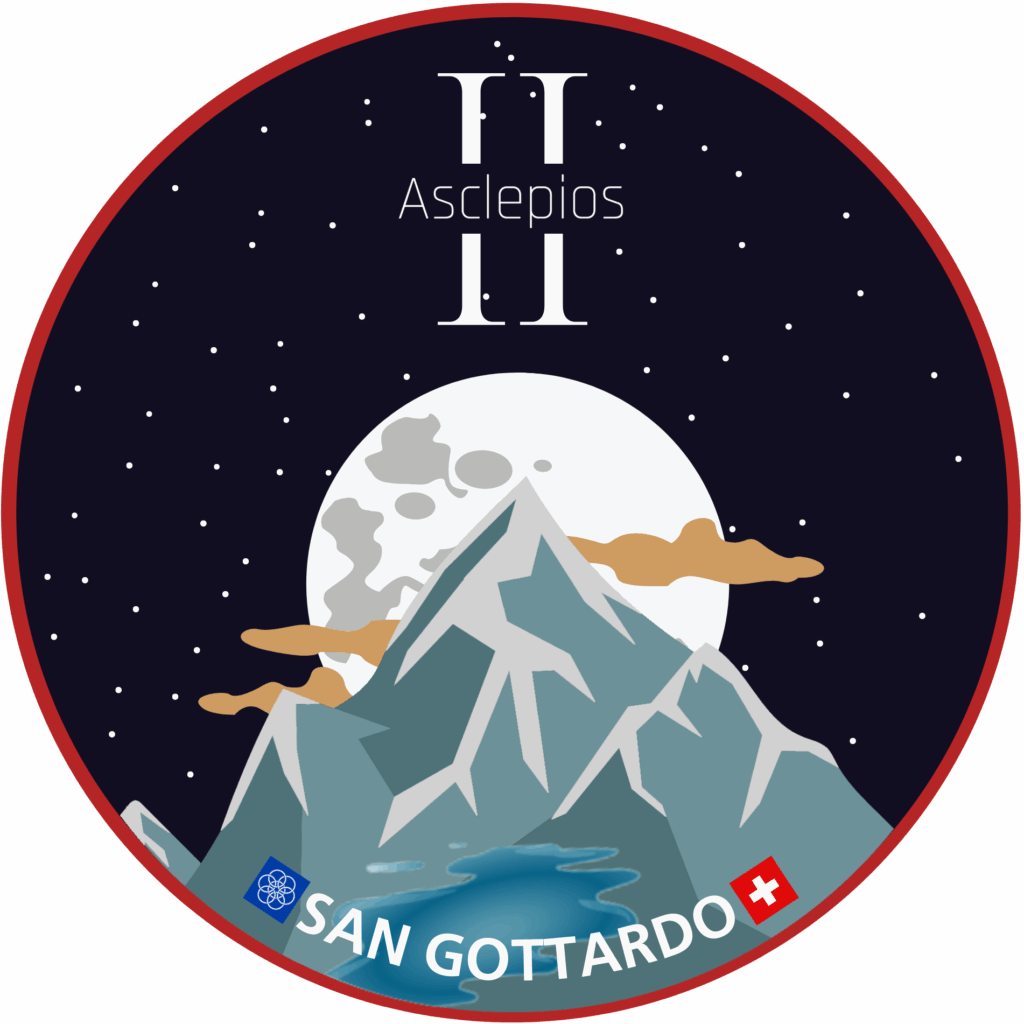 Asclepios II2022
 Asclepios I2021