 AsclepiosAnalog space mission

Submit a proposal
The Asclepios VII Call for Projects aims to enable the integration of space-related projects and scientific experiments into the Asclepios VII lunar analogue mission.
Information and requirements: the mission, areas of research, Phase A and B, evaluation criteria.
To submit a proposal in Phase A, all applicants should present a coherent draft of their project, prototype or idea.
Phase A proposals must confirm that ethical approval has been requested or granted by your institution’s IRB or equivalent ethics committee.
Fill out the Google form and attach the Outline proposal by 29 November 2026, 23:59 CET.
Asclepios will conduct weekly live meetings through the month of November, open to all PIs, to answer their questions.
Two rounds of evaluation
The selection of the projects and experiments will consist of two rounds of evaluation: Phase A and Phase B.
Outline proposal
- Fill out the Google form and submit the Outline proposal.
- Present a coherent draft of your project, prototype or idea. Not every detail of the research plan needs to be worked out yet, but the proposal should outline the major aspects of the experiment: specific tests, number of participants, equipment needed.
- Include documentation confirming that ethical approval has been requested or granted by the IRB or equivalent ethics committee of your institution or company. Independent researchers, or institutions without one, state this and explain whether and why the project requires approval.
Full proposal and interview
- Pre-selected candidates are notified by email no later than 4 weeks after the Phase A deadline.
- Submit a full proposal: detailed research plan, inventory, final cost and timeline estimates.
- Secure your own funding by the end of Phase B. As a student-led initiative, Asclepios has limited funds to help bring projects to life.
- Interview with the Science Team Officers.
- Establish whether the project falls within the Swiss Human Research Act (HRA), with a Clarification of Responsibility from the BASEC portal or other documentation of its ethical approval status.
Every project officially selected for Asclepios VII is assigned a dedicated Science Officer, who works with the PIs to refine the procedures carried out by the analogue astronaut crew or Mission Control Centre personnel.
Ethical approval in Switzerland
Switzerland has very strict rules for ethics approval for studies on humans, based on the federal Human Research Act and its ordinances, and its own data protection law, which might differ from EU law.
Who approves
For monocentric studies, the ethics commission of the canton where the research is performed is responsible. For Asclepios VII, that is the cantonal ethics commission of Ticino.
Start early
The commission answers within 30 days for monocentric studies and 45 for multicentric ones, but revision requests are likely: reserve at least two months.
Data
Data has to be traceable, protected from accidental changes, access-restricted and stored for 10 years. Asclepios can’t provide such a platform; data storage is the PI’s responsibility.
Costs
Ethics approvals in Switzerland are expensive and vary greatly with study design. Apply for the simplified procedure (category A) where you can.
Unsure whether your project falls within the HRA? You may request a Clarification of Responsibility through the BASEC portal before submitting your Phase A proposal. It is not mandatory for Phase A.
Evaluation criteria
All proposals for the Asclepios VII mission will be assessed according to the following criteria.
Coherence with our mission
Contribution to advancing lunar operations, space exploration and scientific progress through experimentation and testing.
Novelty
New methodologies, scientific observations, materials or technologies.
High-impact outcomes
Publications, future research, use in real space missions. Outreach and science communication count too.
Feasibility
Technical (logistics, resources, technology) and operational (procedures, data collection during the mission).
Schedule
Preparation time before the mission, and the crew time needed to run it.
Cost
Total estimated cost, including what Asclepios may need to cover if the PI cannot secure independent funding.
Asclepios’ unique selling point
How much the project benefits from, or requires, an analogue mission environment.
Ethics
Preference for projects that need no ethical approval or can obtain it by the end of Phase B.
Sustainability
Minimal environmental impact, particularly avoiding air transport whenever possible.
Safety
Minimal risk to the health and safety of the analogue astronauts.
Partnership
Projects from existing Asclepios partners receive favourable consideration.
Full criteria
Every criterion is described in full in the Call for Projects brochure.
Download the brochure
Areas of research
Key research areas include life sciences, space habitat engineering, physical sciences, Earth and materials sciences, robotics, astronomy, and lunar operations. These categories are intended as guidance rather than strict limitations.

Architecture and Design

Engineering and Physical Sciences

Space Biology and Biomedicine
And many more! If you believe your project could contribute to the future of lunar operations, space exploration or life beyond Earth, we strongly encourage you to submit a proposal!
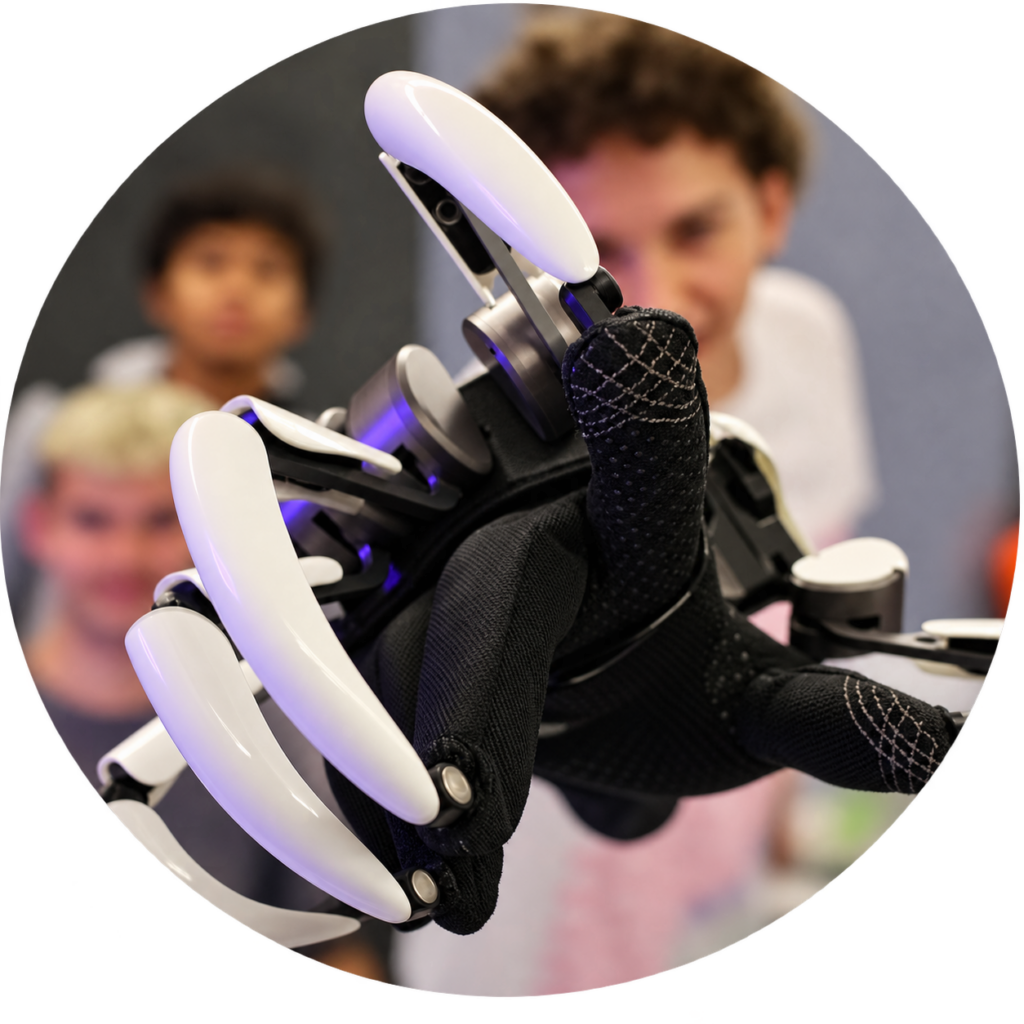
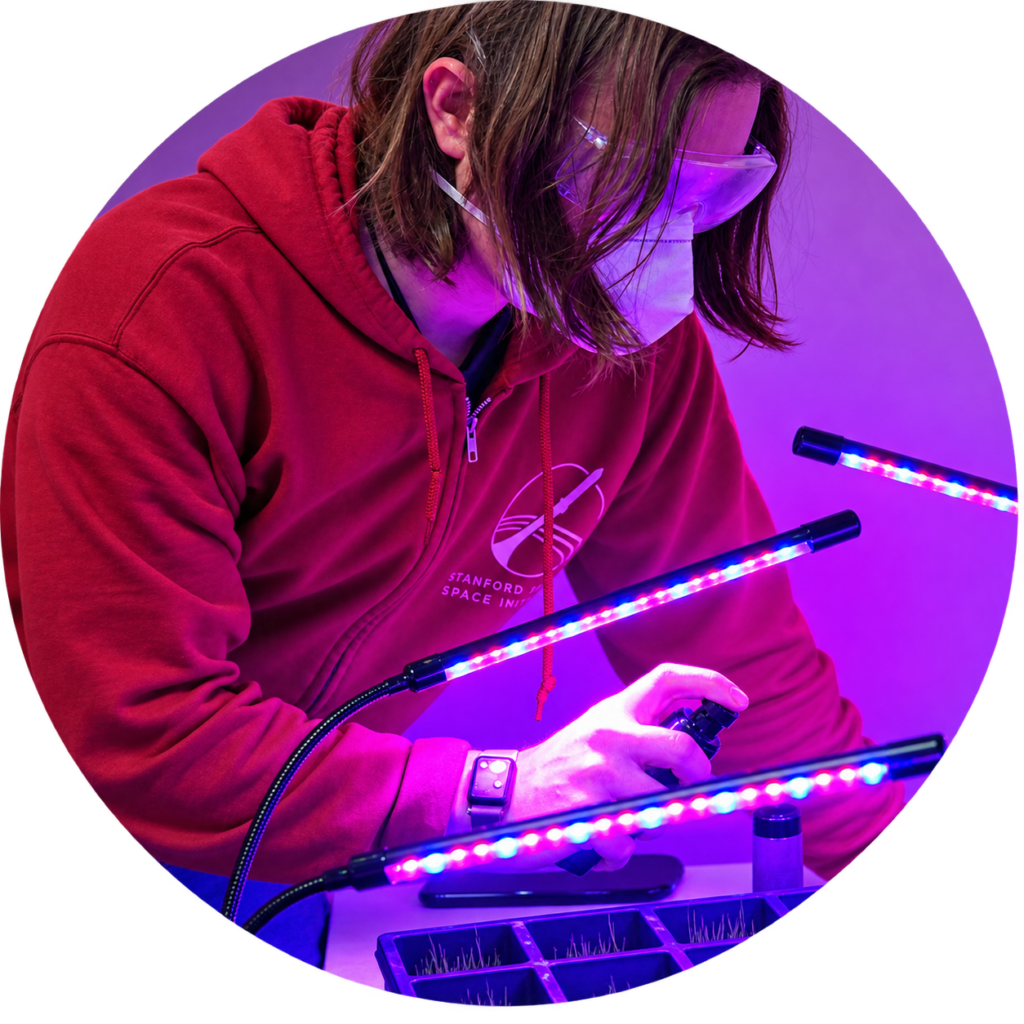
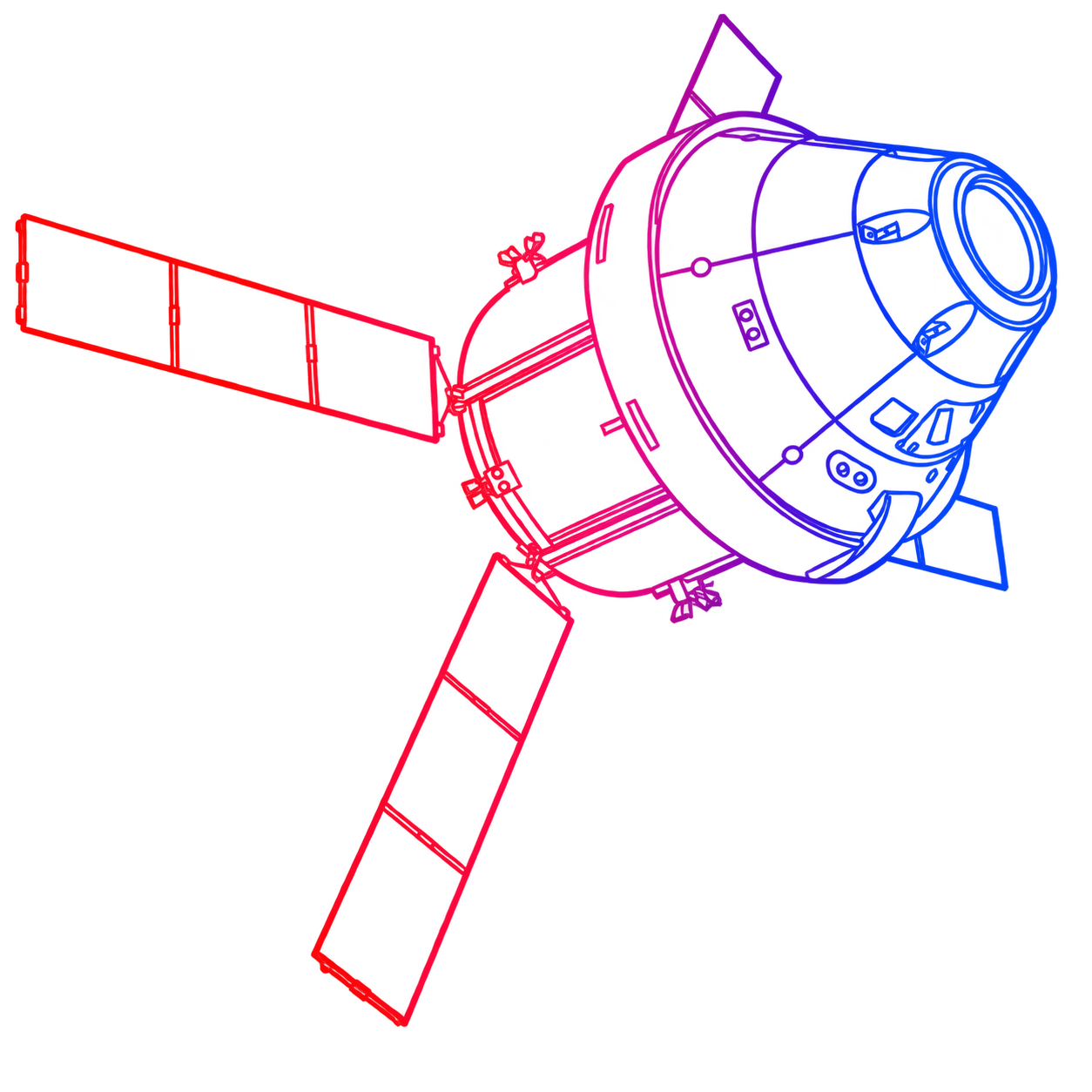
Testing platforms
For Asclepios VII, the Call for Projects reaches beyond the analogue mission itself. Applicants are welcome to propose experiments or activities across one or more of these platforms, depending on their project’s objectives and requirements.
The analogue mission
A simulated lunar base at Sasso San Gottardo, a former military fortress in the Swiss Alps. The crew spends two weeks in isolation without natural sunlight, leaving the base only for simulated EVAs in the tunnels and outdoors after dark.
Mission Control Centre
Projects carried out by the Mission Control Centre personnel during the mission.
Extreme Environment Training
Testing within the analogue astronauts’ extreme environment training before the mission.
Zero-gravity flights
Testing within the crew’s zero-gravity flight training.
Proposals targeting EET or zero-gravity flights receive equal consideration. As the partnerships for these platforms are still being established, access cannot yet be guaranteed, but we will make every effort to accommodate selected projects.
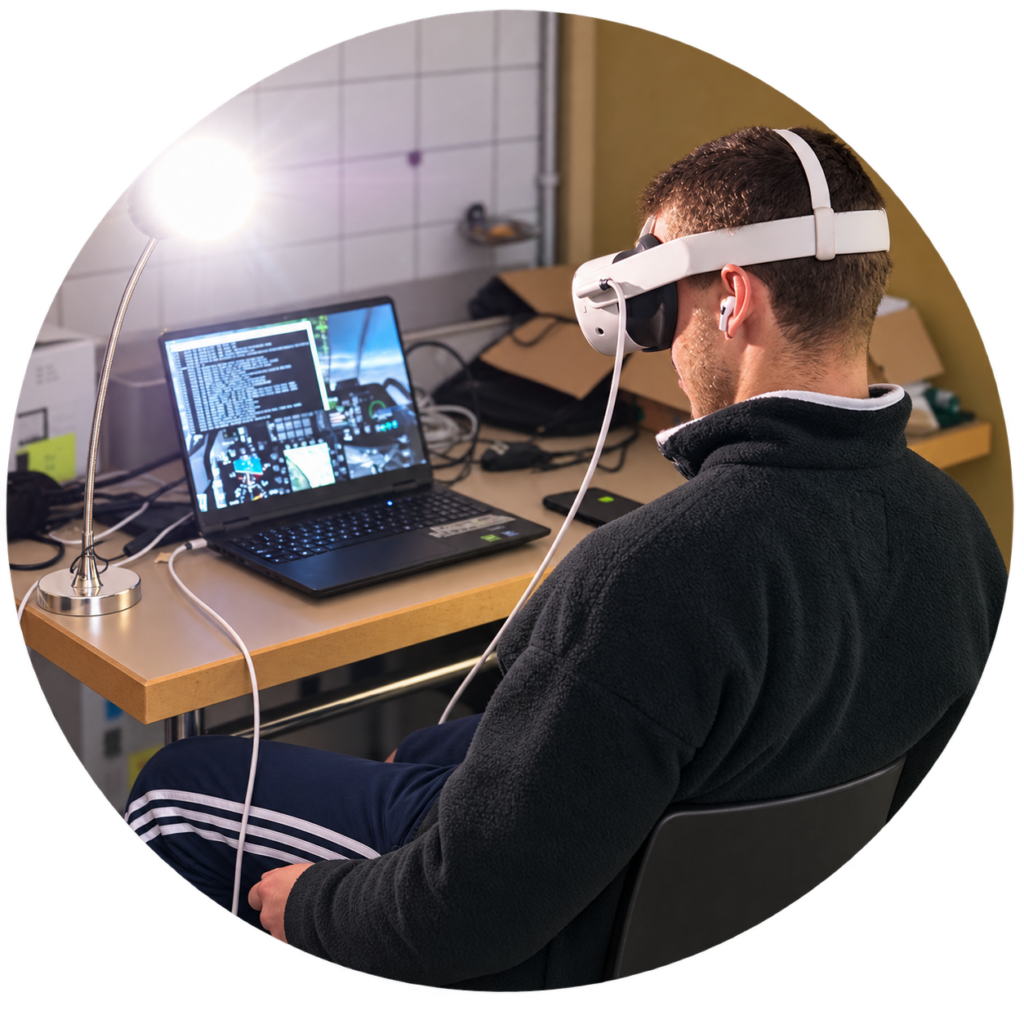
- Rovers and robots controlled by analogue astronauts on EVAs
- Novel air filtering technologies
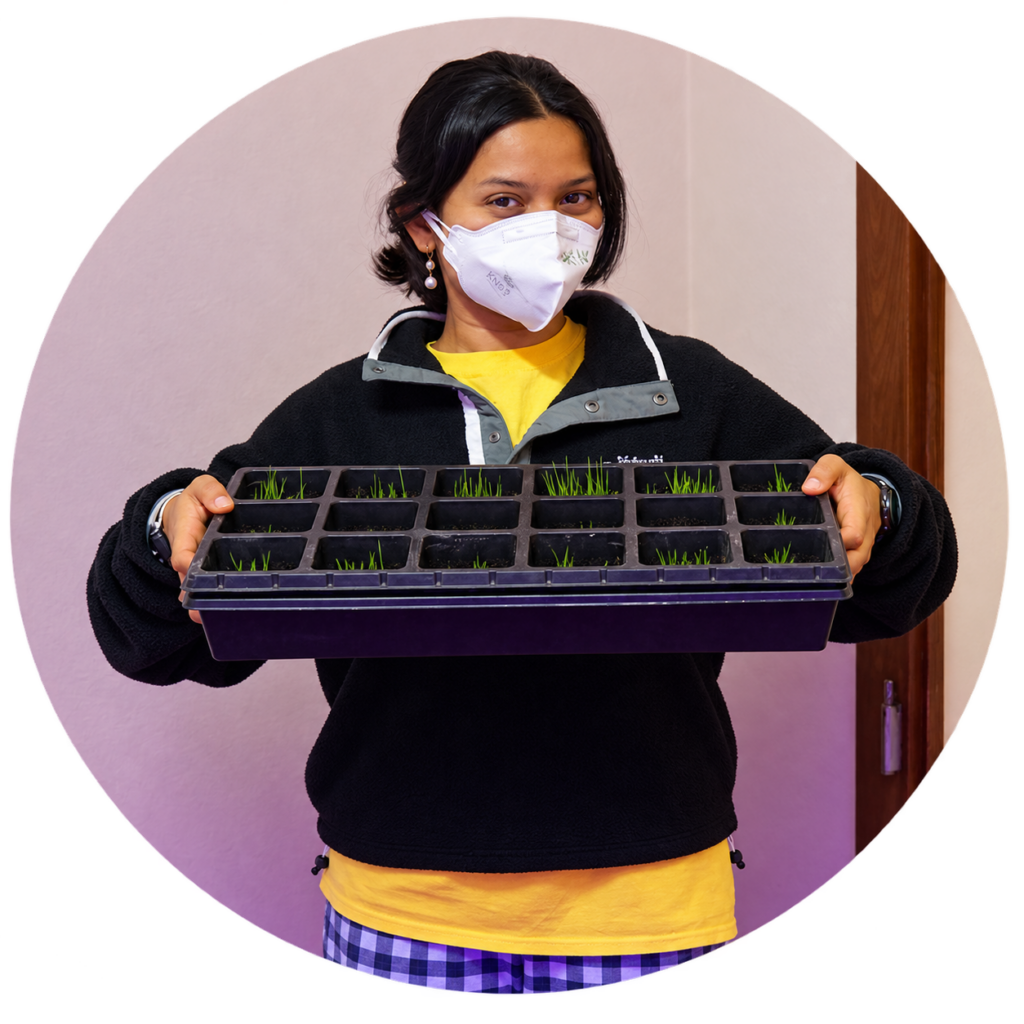
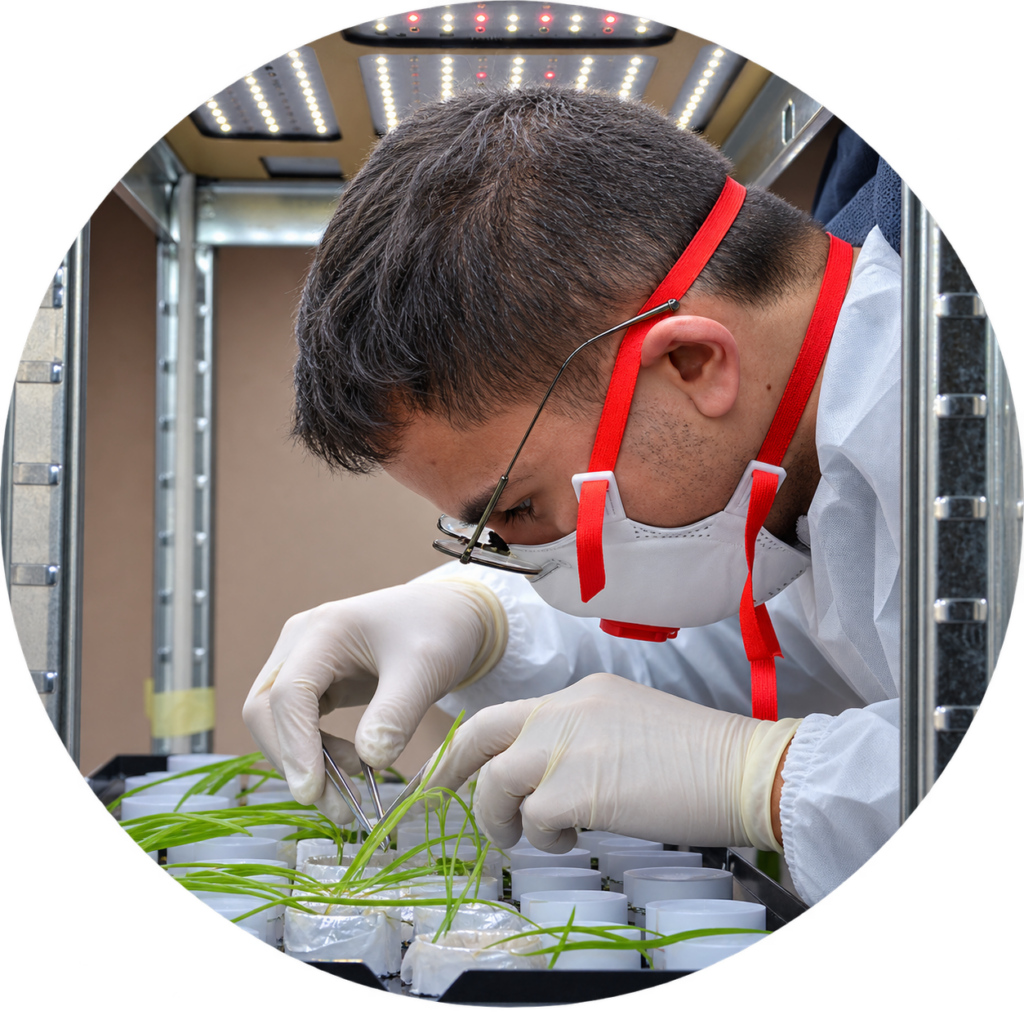
- Growing plants in regolith soil within the space habitat
- Astronaut sleep tracking
- Countermeasures for astronaut stress management
- Studies on diversity within analogue crews
- Teleoperating robots from within the space base
- Operational testing of spacesuit components
- Cognitive function through the mission
- Ultrasound technology for remote applications
- Water filtration technologies
- Astronomy observation with astronauts on EVA
- Regolith as building material for in-situ base development
- Near-infrared light and the crew’s glucose levels
- VR experiences as stress management tools
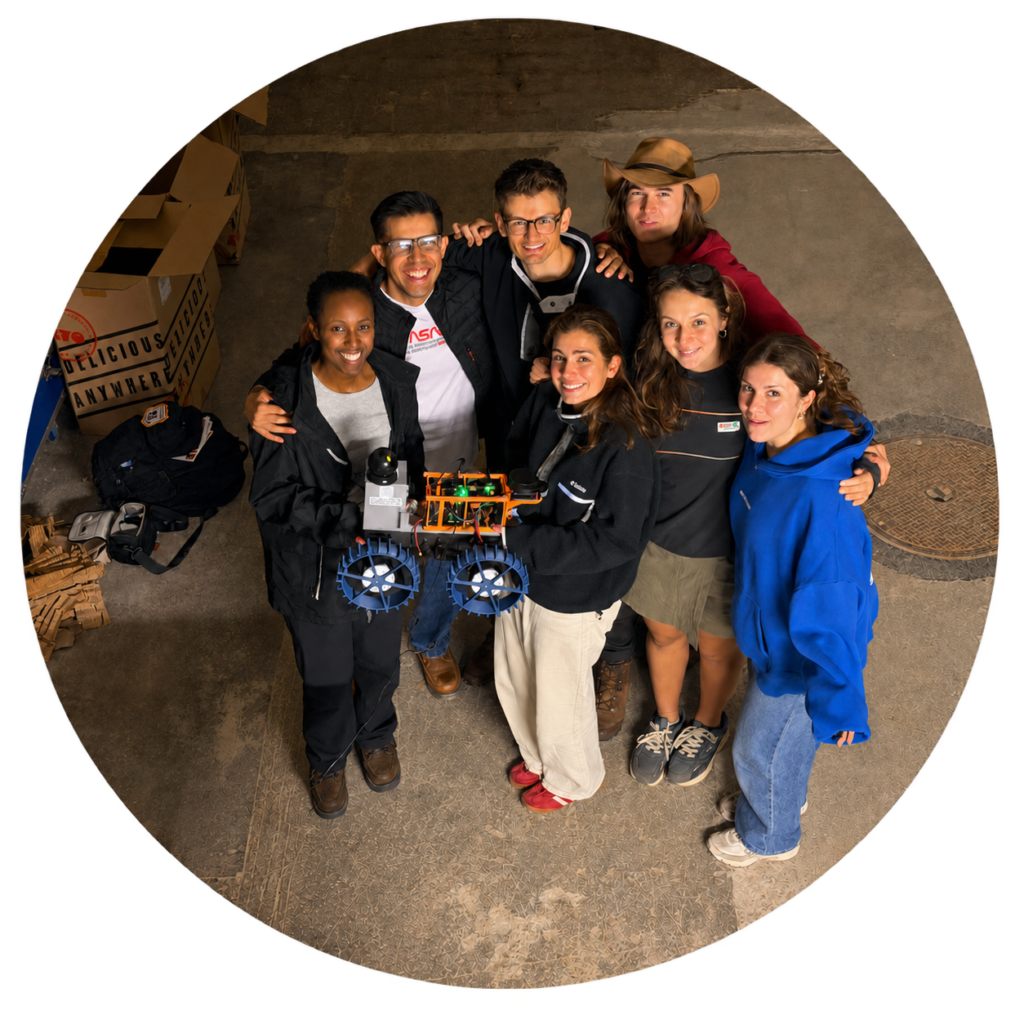

Semester Projects
As an EPFL association, Asclepios offers EPFL students the opportunity to conduct their semester project with our project. Semester projects are conducted in conjunction with an EPFL supervisor and directly benefit our mission. If you are interested, you can contact us to discuss your project’s implementation.
Get in touch!