 AsclepiosAnalog space mission
Asclepios VI
After five successful missions, Asclepios returned to Sasso San Gottardo with ten analogue astronauts from around the world to execute its sixth mission. They spent over 2 weeks in isolation, with the Mission Control Centre overseeing the entire operation. Not only did the mission bring exciting new features, including crew rotations, Asclepios VI also brought forward a new association structure for a successful mission.
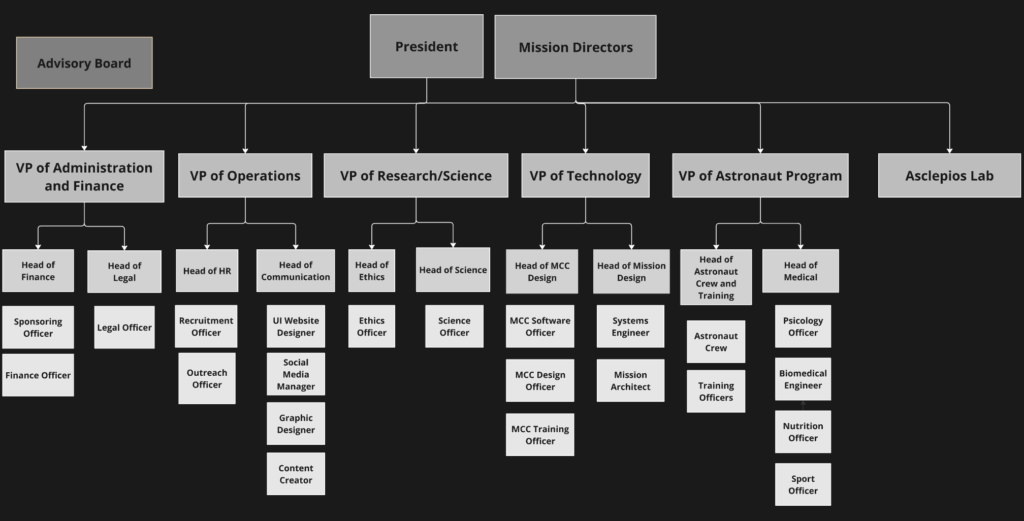
The New Asclepios Structure
With the organisation surpassing 100 officers around the world, a new layer of leadership was added – the Vice Presidents.
All the in-person hands on engineering aspects have all been reorganised under Asclepios Lab, which is based in EPFL.
The Pangea Crew
TEN ANALOG ASTRONAUTS
Mechanical Engineering, EPFL
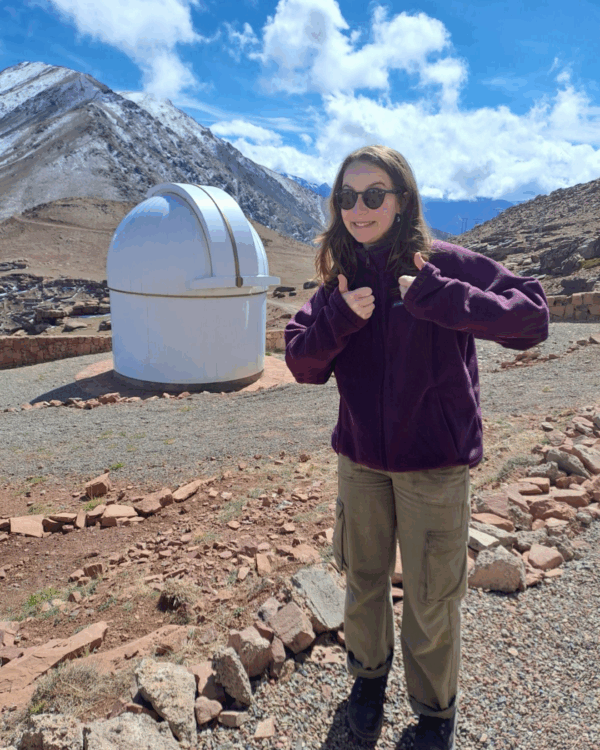
Space Sciences, University of Liège
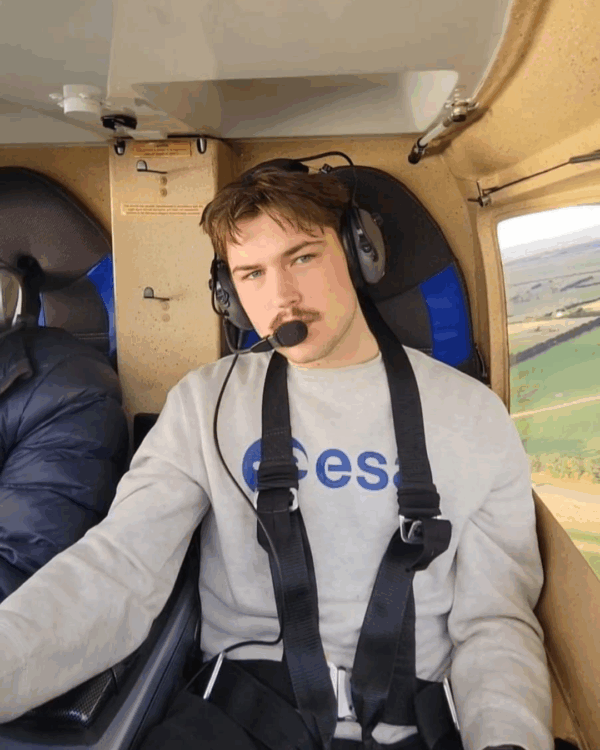
Aerospace Engineering, RMIT University
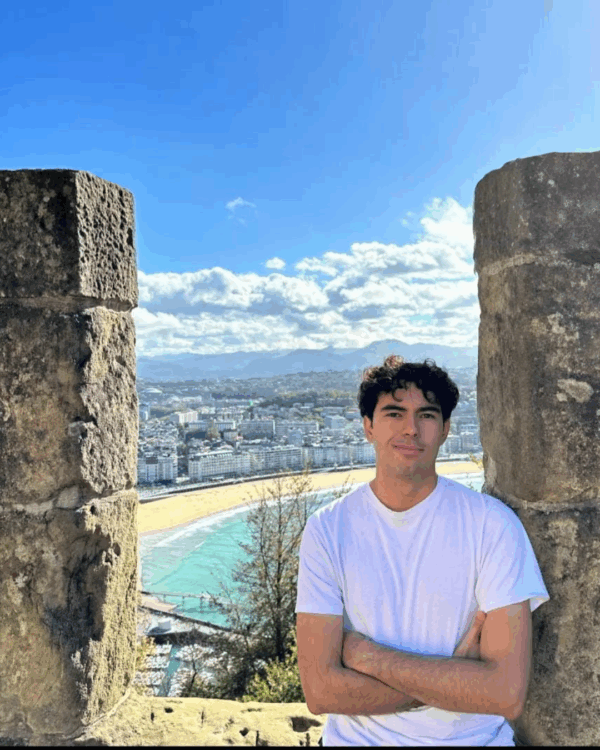
Aerospace Engineering, ISAE Aerospace
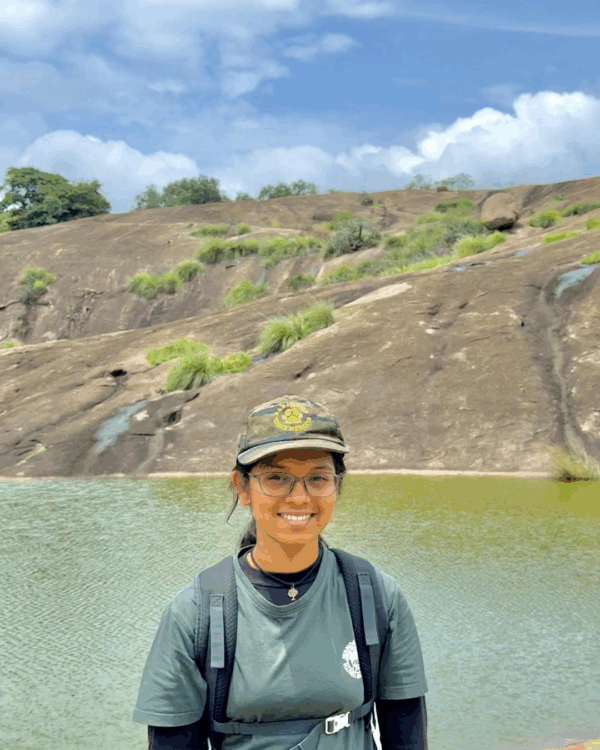
Electronics Engineering, Manipal Institute of Technology
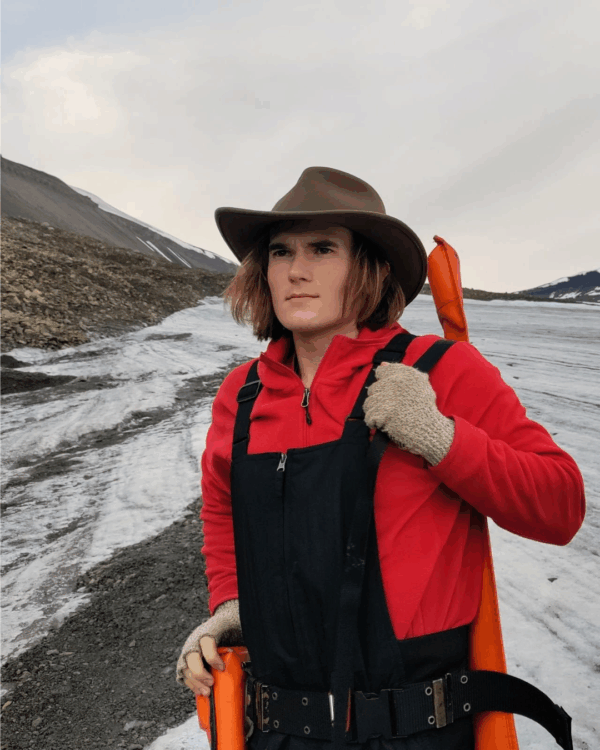
Space Construction, Stanford

Vehicular Engineering, KTH
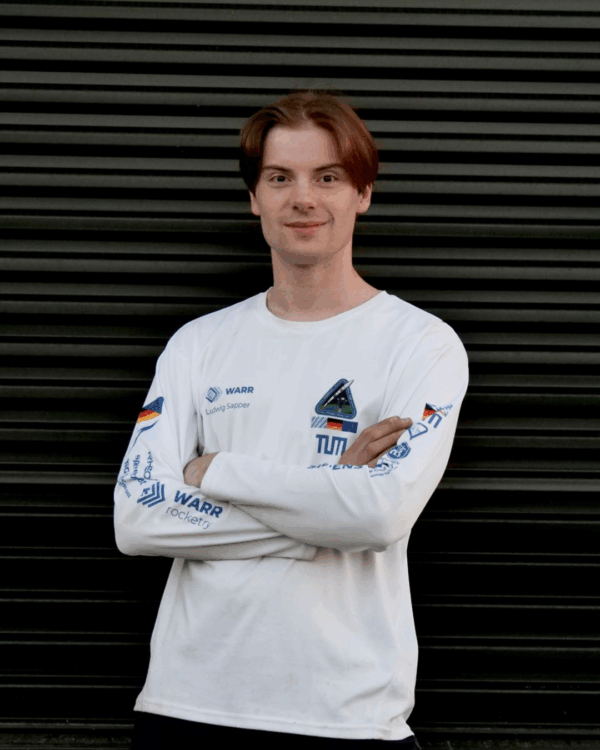
Aerospace Engineering, Technical University of Munich
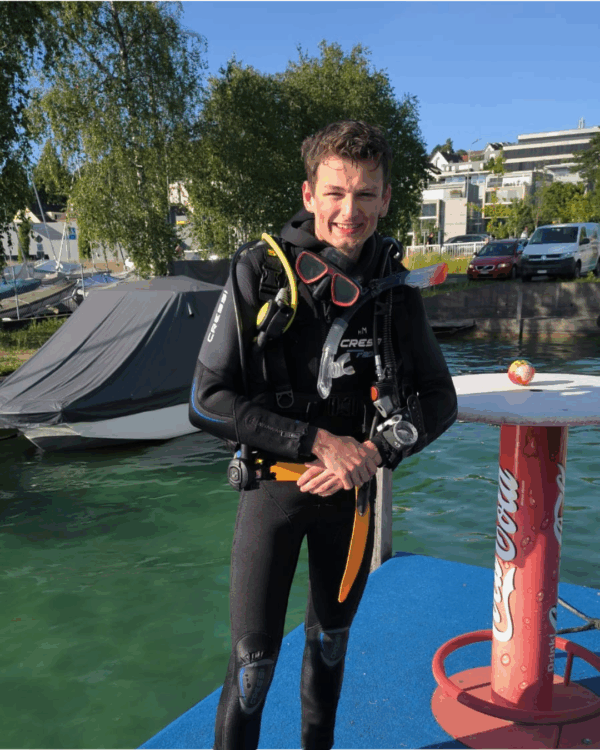
Mechanical Engineering, ETH Zurich
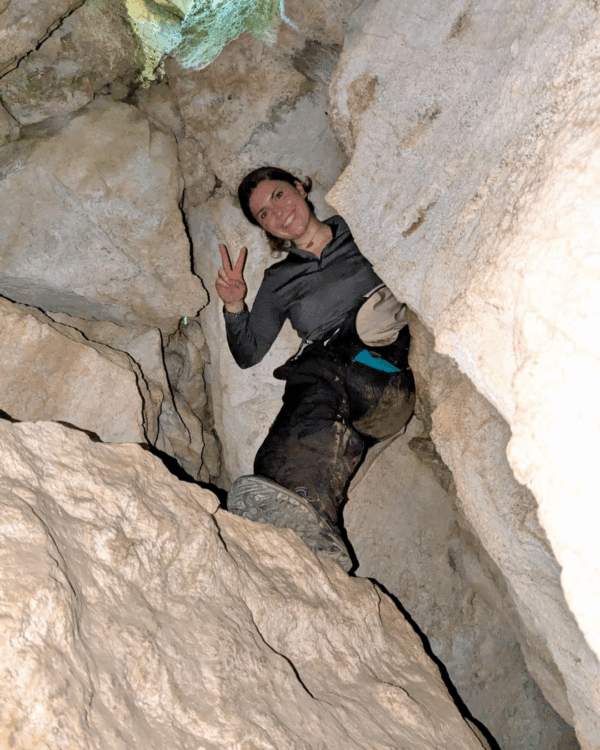
Medicine, University of Cologne
The Executive Team
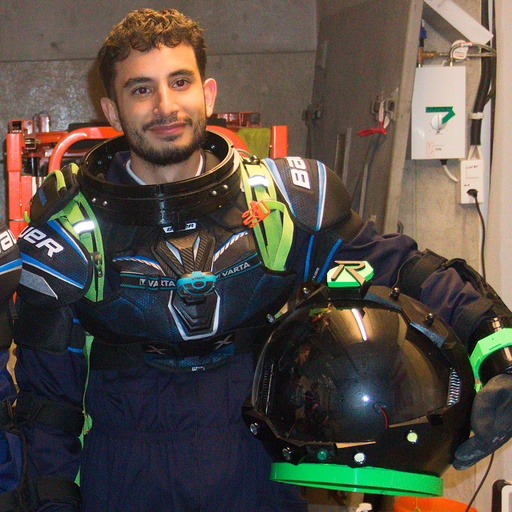
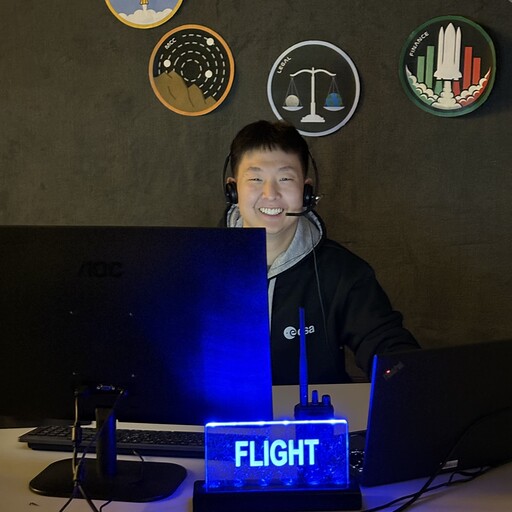
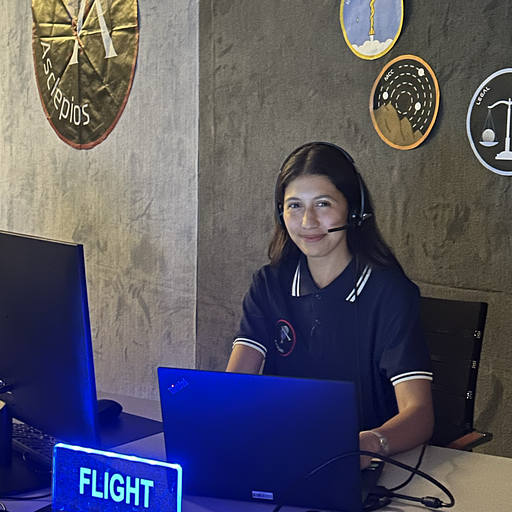
The Vice Presidents


Scientific experiments
01 — 15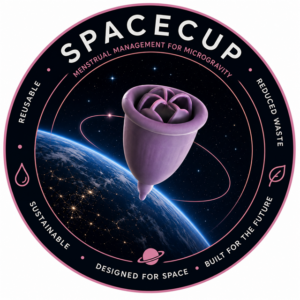
The main objective of this experiment is to evaluate the performance of a menstrual cup designed to safely contain menstrual fluid in microgravity, prevent leakage, enable controlled handling during use and removal, and to compare its fluid containment capabilities with conventional tampon-based systems, while exploring the possibility of utilizing this waste as a resource e.g. in the medical field by extracting the menstrual fluid’s stem cells or as fertilizer for the plants growing in the spacecraft.
Full description
The primary approach for managing menstruation in space has traditionally been menstrual suppression using hormonal contraceptive pills. While this method reduces operational complexity and waste, it presents limitations for long-duration missions including storage constraints, potential refrigeration requirements, and long-term health risks such as effects on bone density, cardiovascular strain, and an increased risk of venous thromboembolism.
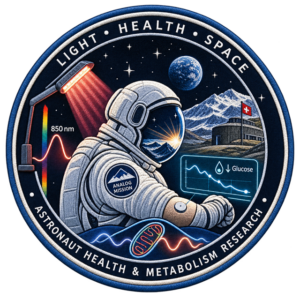
The primary objective of this project is to evaluate whether controlled exposure to near-infrared light supports metabolic regulation, investigate changes in cognitive performance and examine secondary effects on sleep quality, circadian stability, and subjective wellbeing within the operational constraints of an analogue space mission.
Full description
Long-duration habitation in environments devoid of natural sunlight poses a significant challenge to human health and performance. A critical aspect is the absence of near- infrared radiation (NIR), a major component of natural sunlight that plays a key role in photobiomodulation (PBM) and that is almost entirely excluded from modern energy-efficient LED lighting systems.
Astronauts are known to experience insulin resistance and impaired glucose regulation during and after space missions, alongside declines in cognitive performance and sleep quality. These physiological stressors are exacerbated by confinement, circadian disruption, and the absence of natural solar spectrum. Recent human studies have shown that PBM through brief exposures to red and near-infrared light can significantly reduce postprandial blood glucose levels and improve metabolic efficiency in healthy adults.

The overarching goal of the project is to investigate how prolonged isolation, limited social contact, sensory monotony and reduced sensory reliability – core features of lunar mission environments – affect human perception and self-other representation, and to provide the neurocognitive mechanisms linking sensory reliability, multisensory integration and self-other representation under extreme conditions.
Full description
Spaceflight induces structural and functional changes in neural systems essential for sensory processing and multisensory integration, including vestibular, visual, auditory and proprioceptive networks. These alterations can reduce the reliability of sensory signals, creating conditions in which perception becomes less grounded in external reality.
SENSE aims to identify the mechanisms by which extreme environments induce perceptual distortions, hallucinations and altered conscious experiences through computer-controlled tasks delivered via head-mounted display; the experiment will characterize perceptual distortions under sensory monotony, measure the impact of sensory monotony on the feeling of presence and investigate temporal and individual factors generating empirical evidence directly relevant to astronaut performance and safety.
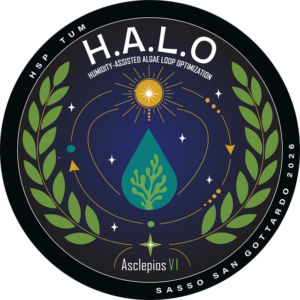
The purpose of the “Humidity-Assisted Algae Loop Optimization” (H.A.L.O.) experiment is to evaluate design improvements to an existing Subitec flat-panel airlift (FPA) photobioreactor system by integrating an enhanced humidity management and recovery system and evaluate the impact of humidity management on biological performance. The humidity recovery system aims to capture water vapor from the reactor's exhaust gas and return it to the medium, minimizing resource loss while maintaining routine reactor operation and lowering crew workload. In addition to minimizing medium loss, humidity recovery may improve the internal microclimate of the reactor, supporting more stable and predictable algal growth.
Full description
Water and energy efficiency are critical in long-duration missions, where resupply is limited and every resource must be optimized. Photobioreactors (PBRs) are a promising technology for long-duration human spaceflight missions, as they enable the cultivation of microalgae for oxygen and food production for the crew based on their photosynthetic activity. Previous experiments with PBRs in microgravity and analog habitats have demonstrated feasibility, but challenges such as evaporation-driven medium and water loss, and operational complexity remain.
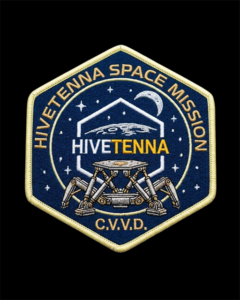
The main objective of the experiment is to characterize the acquisition and degradation of spatial geometric intuition for parallel robotic systems under analog mission conditions (isolation, circadian disruption, EVA fatigue), generating empirical data for astronaut training protocol design and human-machine interface development for future lunar robotic deployments.
Full description
HIVETENNA is a human-in-the-loop simulation, cognitive and robotics experiment designed to study how astronauts can develop robust geometric intuition and spatial reasoning skills through repeated manual estimation tasks when manually operating complex parallel robotic systems in an analog lunar mission environment (6-DoF Stewart platform parallel robot).
The experiment runs as a web-based simulation platform. During each experimental session, astronauts are presented with a target configuration (e.g., orienting an antenna toward a specific satellite) and asked to manually estimate the six actuator lengths required to achieve that pose, relying entirely on mental visualization and geometric reasoning without real-time visual feedback. Astronauts receive detailed feedback only after submission, allowing us to study their reasoning strategies, error patterns, and confidence evolution across the mission timeline.
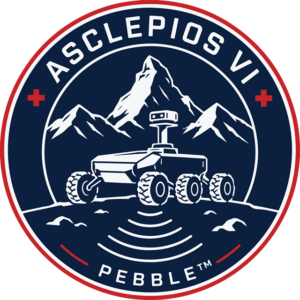
The objectives of PEBBLE are to evaluate and test terrain mapping accuracy, perform remote sensing–based mineral detection, assess system robustness and test human–rover teleoperation workflows integrated with Mission Control operations.
Full description
PEBBLE (Planetary Exploration Bot for Backtracked Lunar Exploration) is an AI powered platform that integrates satellite imagery, field sensor data and machine learning to identify high- probability mining targets. As communication delays, lack of GPS, and hazardous terrain make real-time human control impractical, this expertise in AI-driven geospatial analysis uniquely positions PEBBLE to tackle one of the most pressing challenges in the exploration of the Moon: autonomous surface prospecting for in-situ resource utilization (ISRU).
For future lunar missions autonomous prospecting is key. By minimizing the need for manual scouting or heavy drilling, PEBBLE also aims to demonstrate a more efficient, risk-reducing approach to finding usable resources on the Moon.
In partnership with Neurospace’s HiveR platform, PEBBLE is designed to be teleoperated for detailed investigation and to analyze surface and subsurface composition using onboard sensors (including hyperspectral imagers and ground-penetrating radar) to identify mineralogical “hotspots.
The goal of this experiment is to obtain technical validation of the workflow and assess feasibility, optimize the process, and obtain analogue validation while secondary testing the recyclability and chemical strength of the bricks, which has been only validated in laboratory settings, aiming to determine if analogue astronauts can safely, efficiently, and cleanly manufacture structural elements within a habitat environment.
Full description
Future lunar infrastructure will rely heavily on In-Situ Resource Utilization (ISRU) to reduce prohibitive launch costs. While material science has advanced significantly regarding the chemical composition of Space Bricks, there is a critical Technology Readiness Level (TRL) gap regarding the operational reality of manufacturing these elements inside a confined, human-tended habitat.
The BUILD (Building Utility for In-situ Lunar Development) project aims to bridge this gap by validating the operational workflow of a low-energy Pressure-Assisted Die Casting (PADC) method. PADC utilizes a biopolymer binder (Guar Gum) and moderate hydraulic pressure to consolidate regolith at low temperatures (60°C). The experiment simulates a workbench manufacturing scenario where astronauts manually operate a hydraulic press to produce interlocking regolith bricks while introducing realistic constraints (crew fatigue, confined space or suit restrictions, dust mitigation).
The GreenMind experiment integrates these two critical research domains into a single, resource-efficient study. Through a three-group design, the experiment will measure both, the psychological effects of successful plant cultivation, plant death mid-mission and no plant interaction, and also the viability of growing crops in Hispansion TLH-0 lunar regolith simulant, enabling a simultaneous assessment of nutritional content differences between regolith-grown and soil-grown plants.
Full description
Long-duration space missions pose significant psychological challenges to crew members, including isolation, confinement, monotony, and disrupted circadian rhythms and research from analog missions has demonstrated that psychosocial stress accumulates over time. Horticultural therapy and interaction with plants have been shown to reduce cortisol levels, improve mood, and provide a sense of purpose in confined environments on Earth, suggesting that tending plants provides astronauts with a meaningful psychological benefit.
Simultaneously, establishing viable agriculture in lunar regolith remains a critical challenge for sustained human presence on the Moon. While plants have been grown in actual Apollo regolith samples, they exhibited severe stress responses High-fidelity regolith simulants are essential for developing scalable agricultural strategies.
The primary goal of AsclepiosBrew is to evaluate whether moderate access to comfort beverages (non-alcoholic beer, tea, coffee) reduces perceived stress and improves mood and well-being in analog astronauts compared to a control group with access only to water and standard mission beverages, and to compare the stress-reduction effects of each different beverage specifically (beer vs. tea vs. coffee) to determine if the effect is generalizable to all familiar comfort beverages or specific to one group.
Full description
This proposal is developed in collaboration with Starbase Brewing, a Texas-based craft brewery aiming to become the first brewery on Mars. Starbase Brewing has already achieved (1) the MicroBrew-1 experiment aboard NASA's Crew-11 mission, successfully completing the first-ever fermentation of beer in space on the International Space Station and (2) the OASIS experiment, marked the first time barley was grown in Martian regolith simulant in space.
Isolation, confinement, monotony, and separation from family produce cumulative stress that can impair crew performance, mood, and interpersonal dynamics. On Earth, moderate consumption of beverages such as beer, tea, and coffee is deeply embedded in social rituals that promote relaxation, social bonding, and a sense of normalcy.

Using an ultra-portable apparatus consisting of a gaming laptop, a VR headset, and the consumer flight simulator VTOL VR with a telemetry-streaming modification, R.A.P.T.O.R. (Real-time Assessment of Pilot Telemetry & Operational Readiness) captures six continuous flight-state variables during standardized flight missions targeting the goal of simultaneously investigating piloting performance degradation under isolation and cybersickness trajectory across confinement.
Full description
Future crewed missions to the Moon and Mars will require astronauts to pilot vertical take-off and landing (VTOL) vehicles during descent, landing, and surface-to-surface transport. Isolation, confinement and sleep restriction are known to impair psychomotor vigilance and cognitive throughput and degrade piloting performance, memory, and steering precision.
Separately, cybersickness — the constellation of nausea, oculomotor disturbance, and disorientation induced by visual-vestibular conflict in VR environments— poses a practical barrier to routine VR use during long-duration missions.

The objectives of the experiment are to improve Analogue Astronauts capabilities and comfort during the EVAs, through the active thermal control system.
Full description
Asclepios’s EVA suits are heavy and can cause overheating and other sources of discomfort; EVAs are already physically and psychologically demanding activities, given the stressful situation and limitations caused by the equipment it is necessary to improve its comfort to ensure mission success.
MEEVA is an improvement over a previous project of the SpaceTech department of PoliSpace, the largest space association at Politecnico di Milano. The MEEVA system is a comprehensive thermal control and health monitoring system designed for Analogue Astronauts. It consists of an undervest with integrated sensors to measure the astronaut’s vital parameters and a temperature control system (TCS) to improve comfort throughout the activity. Strategically located sensors provide real-time measurements of the astronaut’s physiological status such as heart rate, skin temperature, and core temperature. These readings are processed by on-board microcontrollers, producing an estimate of the current stress level of the analogue astronaut (AA).
The primary goal of the experiment is to provide an enhanced immersion and sensory experience for the crew that will promote a state of relaxation and reduce their overall stress levels throughout the mission, while identifying opportunities for improvement in the multisensory prototype.
Full description
Analog missions perfectly recreate situations of Isolation, confinement and monotony, driving stressors that can affect crew wellbeing and technical task performance. Spending time in nature has been linked to cognitive benefits and improvements in mood, mental health and emotional well-being, on many occasions regardless of how much time is spent outdoors.
Sense of NATURE employs an early-stage multisensory VR prototype designed to support relaxation and provide a sense of escape from confinement to the participants. The prototype includes an olfactory device to assist in simulation immersion of the participants. With its focus on experience, usability, and sensory integration, the experiment aims to gain feedback through a collaborative approach with the crew, which will be used to refine and improve the prototype.
SpaceCog aims to investigate how exposure to a variety of extreme environments affects spatial perception, and how these effects evolve before, during, and after an analogue astronaut mission. For each domain, the primary goal is to characterize perception changes using a repeatable test battery suitable for diverse experimental conditions, providing operationally relevant insights into human cognitive resilience in analogue space missions, training and monitoring strategies for future lunar exploration.
Full description
The Spatial Perception Assessments (SpaceCog) experiment’s hypothesis is that spatial cognition can be disproportionately impaired under confinement and stress inducing mission conditions.
The study uses a within-subject longitudinal design with analogue astronauts tested across multiple environments: pre-mission baseline, mission phase (isolation and absence of natural light), immediate post-mission, and delayed post-mission. Additionally, controlled stressors (noise or dual-tasking) will also be applied. The full test battery will be implemented through a virtual tool and will integrate tasks to measure visuo-spatial working memory, perspective taking and spatial orientation, object location memory and maze solving tasks.
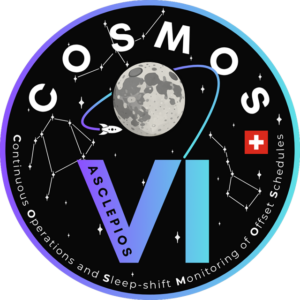
The goals of the project are to successfully change astronaut sleep schedules ensuring that there is always one crew member awake in the base 24/7 without hindering the mission’s flight plan, and to measure the effects of this sleeping architecture on the crew performance and well-being.
Full description
An internal project organized and scheduled by Asclepios VI teams, COSMOS aims to investigate the effects of two crews with an offset sleep schedule on self-perceived astronaut stress, well-being, performance, and fatigue.
The experiment consists of daily digital questionnaires that have to be completed by the astronauts at different times of the day, which will assess their fatigue level and socialization status through the mission
The experiment’s objective is to investigate how small astronaut teams adapt their coordination strategies and task performance when verbal communication is not possible during collaborative tasks and to evaluate how communication constraints affect team efficiency, accuracy, workload, and interaction dynamics, and whether teams can spontaneously compensate for these constraints through the development of alternative non-verbal strategies.
Full description
Effective team coordination is a critical component of mission success in space operations. In such environments, communication plays a central role in maintaining situational awareness, supporting shared decision-making, and ensuring that collaborative actions are executed efficiently and safely. However, space missions may also involve situations in which verbal communication is degraded, delayed, or temporarily unavailable, whether due to technical failure, environmental constraints, or operational demands.
Some non-verbal communication strategies may include gestures, pointing, visual confirmations, or other forms of implicit coordination that emerge naturally during task execution. As participants repeat collaborative activities under constrained conditions, they may progressively adapt by creating stable compensatory strategies, resulting in partial performance recovery over time. In addition to these behavioral and operational outcomes, the project also seeks to examine subjective dimensions such as cognitive workload and frustration, which may increase when communication channels are restricted.
Our teams
The executive team is responsible for overseeing the preparation and execution of the mission. They mentor, coordinate and support all the VPs with their teams’ activities.

The astronauts team handles everything related to the astronaut crew of the Asclepios missions. They are responsible for every step of the recruitment and selection of the crew. Once the crew is recruited, its training (survival, science, communication protocols, teamwork) is their responsibility.
The Science team interfaces between Asclepios and our scientific collaborators. Each year, the Science team puts out a Call for Projects to solicit proposals from academia and industry for projects to test in the Asclepios mission. Science team members collaborate with Principal Investigators throughout the year to implement their experiments in the mission. The Science team also plans and implements their own experiments.
The Communications Team shares our work at Asclepios with the rest of the world! This team is responsible for managing the Asclepios social media and website, as well as designing team merchandise and mission and team patches.
The Design Team manages the internal design of our analog lunar base. They work on the base layout, airlock design, spacesuit design and maintenance, and the launch simulation, along with other projects.
The Recruitment Team performs the recruitment of new officers for all the roles in the association, along with the selection of the astronaut crew, and intensive four-phases process with hundreds of applications. In parallel to recruitment, the team also handles internal HR activities, comprising of onboarding new members, investigating team satisfactions, and many others.
As an EPFL association, Asclepios Head Quarter is located in Lausanne, at EPFL. The team handles specific logistics, mainly related to in-person events, equipment storage and repairs, and coordinating with the university.

The finance team ensures that Asclepios meets our budgetary requirements in order to make the mission happen each year. This team is also responsible for sponsorship.

The Legal team is primarily responsible for reviewing contracts and MoUs with our partners and ensuring legal compliance as a nonprofit association in Switzerland.

The Mission Control Centre (MCC) team works throughout the year to train the mission control officers who will support the astronauts during their mission. They also develop the software and procedures that are used in the mission control.

The Medical Team works to ensure the health, well-being, and safety of Asclepios analog astronauts during trainings and the mission. They manage astronaut nutrition and physical preparation, as well as leading medical and psychological training for the crew. During the mission, Medical Officers from this team serve in the Mission Control Centre to monitor crew health.

The ethics team works with our science Principal Investigator partners to help them apply for ethical approval in Switzerland. They also work with the medical team to ensue that the astronauts’ health data is protected.
Asclepios VI sponsors
Partners & supporters





























Our missions
Asclepios VI2026  WBA Eurohab2025
  Asclepios V2025
  Asclepios IV2024
  Asclepios III2023
  Asclepios II2022
  Asclepios I2021